Три девушки и бесы
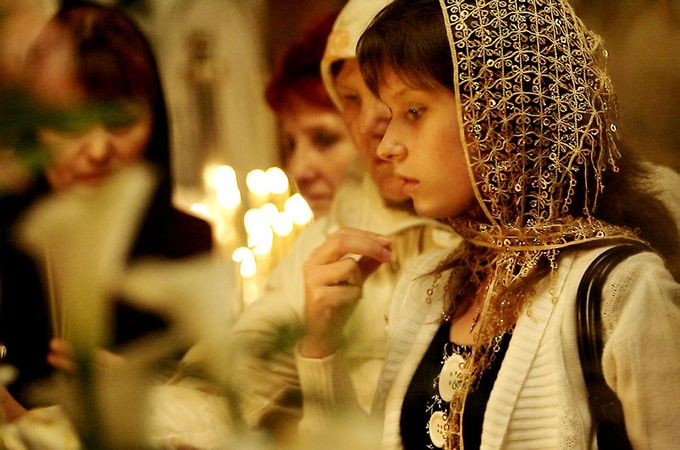
Три девушки шли по железнодорожным путям и оказались между двумя встречными поездами, но все три девушки остались живы. Рядом стояли бесы и горячо спорили:
– Ты что не скинул первую под поезд? – кричали они одному. – Её душа была бы нашей!
– Я не мог: на ней надет крестик!
– А ты почему промедлил? Вторая-то без креста! – кричали они другому.
– Она хоть и без креста, но осенила себя крестным знамением.
– Ну, а ты чего зевал? Третья-то совсем неверующая!
– Так-то оно так, да её мать перекрестила на дорогу и сказала: «Иди с Богом!»
Read also
Why were holy monasteries turned into state prisons?
The history of Christian Europe preserves the memory of times when monasteries served as places of exile imposed by the state. Within their walls, the fates of monarchs and righteous men were decided.
A shepherd boy with a letter from Christ to French king
In the summer of 1212, thousands of pilgrims carrying staffs waited for the sea to part before them. Later chroniclers added ships, slave traders, and a pope's lament to their story.
Facade of bones and facade of light
Antoni Gaudí spent forty-three years building a church in Barcelona, knowing that this construction was for the ages.
Trial of a dead pope
Once in Rome, the body of a deceased pope was seated on the throne and put on trial. The accusation relied on a church canon that had once saved his see.
Monastery built in defiance of king
When Orthodox believers in Minsk were left with just one church, townspeople decided to build another – and even a royal decree did not stop them.
Young Mother and Sleeping Christ
Michelangelo carved a Virgin Mary who looks younger than her Son – and signed his name in marble for the only time in his life. Neither of these peculiarities was accidental.