Three important questions
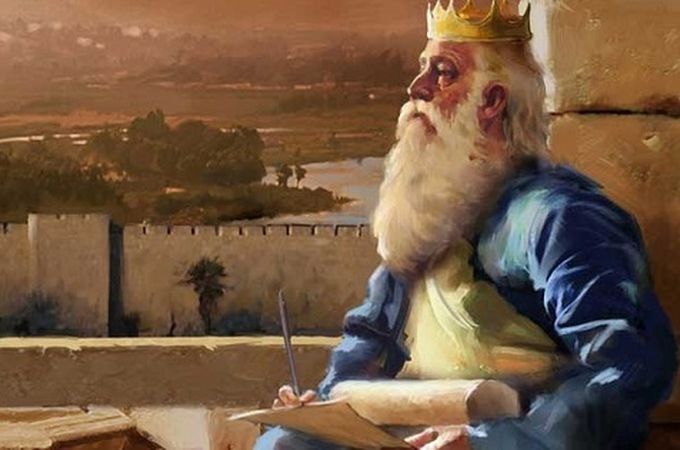
Once there lived a king who sought wisdom. He was told that there was a hermit who knew answers to all questions. The king came to him to see a senile old man, digging a garden bed. The king dismounted and bowed to the old man.
– I came to get the answer to three questions: who is the most important person on earth, what is the most important thing in life, what day is most important of all.
The hermit did not say a word and continued to dig. The king got down to work to help the old man.
Suddenly he saw a man walking along the road, his face covered with blood. The king stopped him, said a word of comfort to him, brought some water from the creek, cleaned and dressed the wounds of the traveller. Then he took him to the shack of the hermit and put him to bed. In the morning he saw the hermit sowing the garden bed.
– Hermit, – begged the king. – Can’t you answer my questions?
– You yourself have answered them, – he said.
– How? – asked the king in amazement.
– Seeing my old age and infirmity, you took pity on me and offered to help, – said the hermit.
– While you were digging up the garden bed, I was the most important person for you, and helping me was the most important thing for you. Once appeared the wounded, his need turned out to be more urgent than mine. And he became the main man for you, and your help to him – the most important thing. So, the most important person is the one who needs your help. And the most important thing is the good that you are doing to him.
– Now I can answer my third question: what day in human’s life is more important than the rest, – said the king. – The most important day is today.
Read also
Facade of bones and facade of light
Antoni Gaudí spent forty-three years building a church in Barcelona, knowing that this construction was for the ages.
Trial of a dead pope
Once in Rome, the body of a deceased pope was seated on the throne and put on trial. The accusation relied on a church canon that had once saved his see.
Monastery built in defiance of king
When Orthodox believers in Minsk were left with just one church, townspeople decided to build another – and even a royal decree did not stop them.
Young Mother and Sleeping Christ
Michelangelo carved a Virgin Mary who looks younger than her Son – and signed his name in marble for the only time in his life. Neither of these peculiarities was accidental.
Orthodox books from a Uniate printing press
In the 18th century, Uniate monks at Pochaiv printed books used in prayer by Orthodox Christians and Old Believers alike.
The story of the honey brotherhood
The Mogilev Brotherhood began with members pooling money to brew honey drinks for feast days – and eventually grew to have its own printing press.