Scientist and God
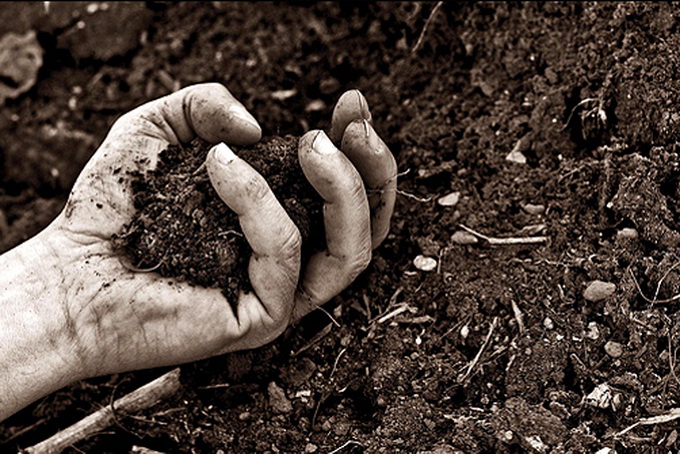
Fascinated by the amount and depth of his knowledge, the scientist told Creator straight-faced: "We, the people of science, concluded that we no longer need You! We unlocked all mysteries and know all that You know: we are able to transplant the heart and any other organs of the body, to clone humans, to create new kinds of plants and animals ... In a word, we can do everything that used to be considered miraculous and was attributed to Your wisdom and omnipotence. Creator, you know, there is no need in You any longer, we are not your children, we have already achieved fantastic success. We can even easily create a man from clay! " – and habitually bent down to pick up a piece of clay when he heard a calm voice from heaven:" Use your own clay ..."
Read also
Why were holy monasteries turned into state prisons?
The history of Christian Europe preserves the memory of times when monasteries served as places of exile imposed by the state. Within their walls, the fates of monarchs and righteous men were decided.
A shepherd boy with a letter from Christ to French king
In the summer of 1212, thousands of pilgrims carrying staffs waited for the sea to part before them. Later chroniclers added ships, slave traders, and a pope's lament to their story.
Facade of bones and facade of light
Antoni Gaudí spent forty-three years building a church in Barcelona, knowing that this construction was for the ages.
Trial of a dead pope
Once in Rome, the body of a deceased pope was seated on the throne and put on trial. The accusation relied on a church canon that had once saved his see.
Monastery built in defiance of king
When Orthodox believers in Minsk were left with just one church, townspeople decided to build another – and even a royal decree did not stop them.
Young Mother and Sleeping Christ
Michelangelo carved a Virgin Mary who looks younger than her Son – and signed his name in marble for the only time in his life. Neither of these peculiarities was accidental.