Touching the mystery of death
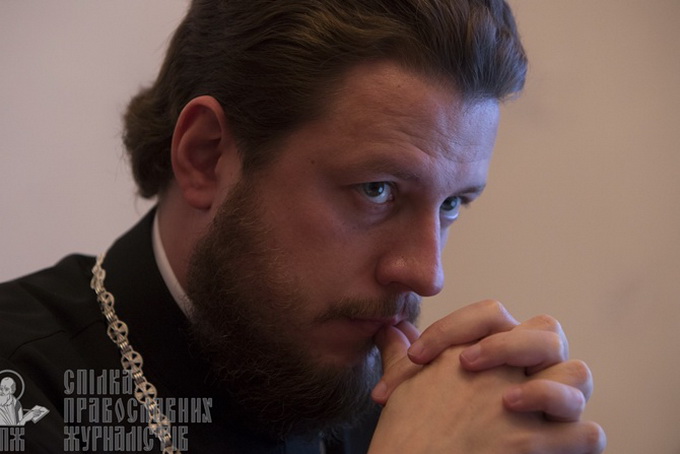
First of all, the inevitability of death frightens most. It is inevitable for everyone. To say that we are all going to die is just as trivial as saying that we all need food and sleep. But if the latter we really need, death we would prefer to avoid.
Secondly, we prefer to avoid it because we are afraid of the unknown. We do not know how we will die and when. And most importantly, we know very little about what will happen after that.
For the believers there is the Holy Scripture that with the help of images and symbols gives us the opportunity to touch the mystery of death. And so we, Christians, are rather afraid not to die than to appear before the Judgment of God. Non-believers do not have even this knowledge. What they face is the complete unknown complete. Hence is the fear of death.
Thirdly, the process of dying is actually always associated with suffering and pain, which every living being, not just people, is afraid of.
In a word, we do not want to die, we fear that, but in the end we shall die. Perhaps that is why this topic is so unpopular today. The man tries to deceive and convince themselves that death is still too far away and to prepare for it, regardless of age, is early. When he/she is faced with the death of other people, their relatives, for example, he/she tries to smooth out the unpleasant impression. That is why the dead are dressed up, often put on makeup to look younger and better. In short, much effort is taken for death not to be so terrible.
In addition, talks of death are becoming more and more unpopular in society. To initiate the topic with a decent and educated man that the time will come for him/her to die means to offend him/her (at best), and at worst – to become a "mortal" enemy.
But Christianity constantly reminds us that life is short. And all the time you need to spend it on something that will enable you face Christ with dignity. This is the meaning and content of life. And death is a step towards eternity. And one must live so that this step will be directed towards God. Then we have nothing to be afraid of. Nothing at all.
KP
Read also
The Weeping Queen of Blachernae
On the night of the Feast of the Protection, only two people witnessed the miracle in the Church of Blachernae. Everyone else prayed and saw nothing. Yet they, too, received grace.
Deadly spiral of human hatred
The tragedy of Lebanon's civil war lays bare how dehumanization and fear can turn human beings into monsters.
Woe to expectant mothers – or to those of little faith?
God commanded one prophet not to have children, yet told his people in exile to bear sons and daughters. What does this apparent contradiction tell us today?
The help God never asked for
Uzzah wanted only to keep the Ark of the Covenant from falling into the dust. Why did this well-intentioned act cost him his life, and who was really responsible for his death?
Freedom begins when there's nothing left to take
Fear of persecutors takes root in our attachment to possessions. We turn to St. Basil the Great to understand why the prefect's threats held no power over him.
The bride in the window frame
The author of the earliest account of St. Thecla’s life was defrocked. Yet it was his book that preserved the only ancient description of the Apostle Paul’s appearance.