"Are you for or against Christ?"
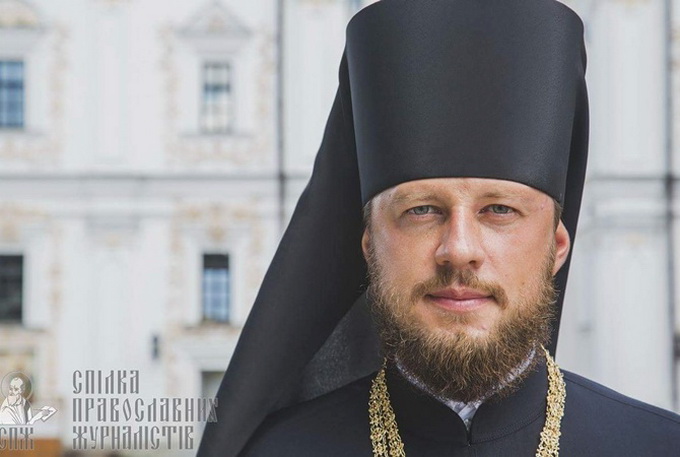
Literature, music, art, architecture, science, economics and even politics - everything was different. It's hard to even think of any field of human genius, which in any way would not have been affected by the Nativity of the Child of Bethlehem.
You cannot treat Him as if He hadn’t been. Even those who claimed that Christ had not come into this world tried by all available means to destroy the memory of Him. Christians were killed, their churches – destroyed, the faith – blasphemed ... But if He did not come, then why fight with Him and against Him?
We know that immediately after the Nativity there were the ones who wanted His death – Herod and "all Jerusalem with him." There were many who wanted Christ to die later – on the Cross. Today there are those who want him to just disappear. And all these people are not necessarily evil and bad. Moreover, some of them even consider themselves Christians ... So what's the matter?
Let us remember that Christ was followed by thousands of people, but only 12 became apostles. And now millions call themselves His disciples, but only a few live as Christians. The fact is that the initial existence of our civilization, as well as the life of each of us, it is an attempt to answer the question – are you for or against Christ? You cannot say that you are "for" him, but live as if "against." In general, I think that every word, every step of ours should start from this question – "for" or "against". "If I act like that, if I say so-and-so, I'll be with him or left alone?" - That's what we should ask ourselves.
And this concerns not only the individual, but the entire nation as a whole. If people forget God, if they live only with economic problems and turn religion into an adjunct of politics – this nation is without Christ. It has no future; it will disappear from the historical arena.
The Nativity of the Son of God changed the world. But most importantly, it changes people, changes their souls. That is what can be called the greatest miracle. It is important that He came not only to Bethlehem and revealed Himself not only to the shepherds, but that He will come to every home and reveal Himself in every heart. Only then we can say that we are "for Christ!" And we’ll say so by our entire life, not by word.
Christ is born! Give glory!
Read also
The Weeping Queen of Blachernae
On the night of the Feast of the Protection, only two people witnessed the miracle in the Church of Blachernae. Everyone else prayed and saw nothing. Yet they, too, received grace.
Deadly spiral of human hatred
The tragedy of Lebanon's civil war lays bare how dehumanization and fear can turn human beings into monsters.
Woe to expectant mothers – or to those of little faith?
God commanded one prophet not to have children, yet told his people in exile to bear sons and daughters. What does this apparent contradiction tell us today?
The help God never asked for
Uzzah wanted only to keep the Ark of the Covenant from falling into the dust. Why did this well-intentioned act cost him his life, and who was really responsible for his death?
Freedom begins when there's nothing left to take
Fear of persecutors takes root in our attachment to possessions. We turn to St. Basil the Great to understand why the prefect's threats held no power over him.
The bride in the window frame
The author of the earliest account of St. Thecla’s life was defrocked. Yet it was his book that preserved the only ancient description of the Apostle Paul’s appearance.