Church's view: Mirage in the desert
They may come into contact but mustn’t merge into a single and strong whole. As such a step is inevitably resulted in the formation of false ideas and meanings. In form, they will be wrapped in the beautiful "religious packaging", but in fact, they will act as preachers of paths that take people away from God.
Let us recall the story of Judas Iscariot. He was flesh of the flesh of his people, oppressed for centuries by various conquerors. What the Jews only had to go through: persecution, slavery, infamous hard work and brutal dependency on the Gentiles, what not! It was a real torture for the chosen people of God. The Jews thought that state of affairs was the result of their sins, but it would not last forever. Sooner or later promised by Lord Messiah would come to crush all the foes of Israel. Moreover, He would set an unshakable kingdom, where the Jews would become the ruling class, possess the existing wealth in the world and enjoy all kinds of benefits. The destiny of the rest was viewed to meekly obey and serve the Jewish people. Behind these extremely desirable for every Israeli patriot pictures, aspirations to restore the broken relationship with God and achieve eternal life in the heavenly Jerusalem were pushed backwards somehow gradually and imperceptibly.
Judas was also an ardent patriot. The sight of Roman soldiers marching in his native land broke his heart. And he passionately longed for the arrival of the Messiah, who would turn to dust legions of Caesar. In the opinion of Judah, Jesus Christ was precisely that God's chosen one. Natural elements yielded to His power, His words healed sick people, and even death receded before His might. One thing the apostle couldn’t understand – why Christ did not declare His claims for the world king’s throne, why he lingered with the destruction and enslavement of the enemies of Israel? Driven by the desire to see such a long-awaited celebration of the Jewish people, as well as hoping to take one of the first places beside Christ after his enthronement as the Messiah, Judas decided to betray his Master to the Pharisees. He believed that Jesus, faced with His enemies in the situation when His life was put at stake, would stop hesitating and reveal all His unprecedented might.
However, instead of the throne Christ went to the Cross. For Judas it was the collapse of all his ambitious plans. Unable to withstand that failure, he hanged himself. He never saw the Resurrection of the One who won the greatest victory in human history – the victory over sin and death ...
History is known to repeat itself. And today there are those who consciously or unconsciously goes Judah’s path, pushing the Church to participate in the political struggle and geopolitical confrontations. Some of them even think that the successful implementation of such an approach will bring them "a place beside the Messiah." However, the story of Judas shows us that all these aspirations are like a mirage in the desert, and not "water source into everlasting life" (John 4: 1-42).
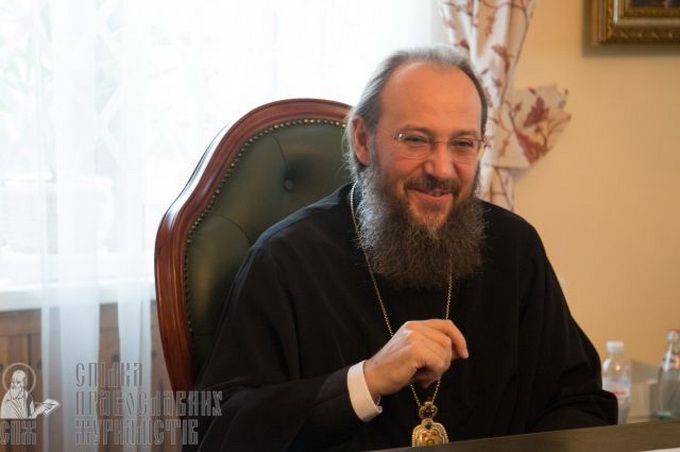
Metropolitan Anthony, chancellor of the Ukrainian Orthodox Church AIF
Read also
The Weeping Queen of Blachernae
On the night of the Feast of the Protection, only two people witnessed the miracle in the Church of Blachernae. Everyone else prayed and saw nothing. Yet they, too, received grace.
Deadly spiral of human hatred
The tragedy of Lebanon's civil war lays bare how dehumanization and fear can turn human beings into monsters.
Woe to expectant mothers – or to those of little faith?
God commanded one prophet not to have children, yet told his people in exile to bear sons and daughters. What does this apparent contradiction tell us today?
The help God never asked for
Uzzah wanted only to keep the Ark of the Covenant from falling into the dust. Why did this well-intentioned act cost him his life, and who was really responsible for his death?
Freedom begins when there's nothing left to take
Fear of persecutors takes root in our attachment to possessions. We turn to St. Basil the Great to understand why the prefect's threats held no power over him.
The bride in the window frame
The author of the earliest account of St. Thecla’s life was defrocked. Yet it was his book that preserved the only ancient description of the Apostle Paul’s appearance.