A magic coin
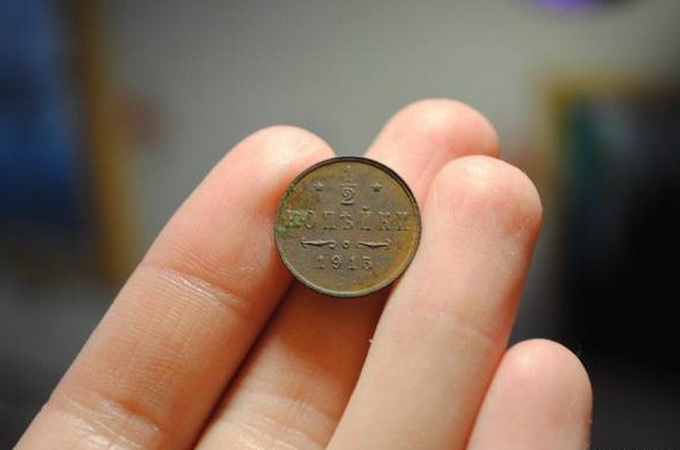
A boy was walking along the way as he spotted a one-penny coin lying on the ground. "Well," he thought, "a penny is also money!" He took it and put it in his wallet. And then he began to think further: "What would I do if I found a thousand rubles? I would buy gifts to my father and mother!". Hardly had he thought so as he felt his wallet having grown thicker. He looked into it, and there was a thousand rubles.
"How strange,” the boy was surprised. There was one coin, and now – as much as a thousand rubles! Well, what would I do if I found ten thousand rubles? I would buy a cow and feed my parents with milk! ". He looked inside the wallet found there already ten thousand rubles! "Miracles!”, the lucky fellow was delighted. "What if I found a hundred thousand rubles?" Then I would buy a house, get married and settle in a new house with my old parents! ". Quickly did he open the wallet – and here you are – there was as much as a hundred thousand rubles!
Then he began to meditate: "Maybe I’d better not take my father and mother to the new house? My wife might not like them. May they live in their old house. And to keep a cow is troublesome. I'd better buy a goat. And I will not buy a lot of gifts: the expenditures are big, anyway."
At once he felt that his wallet had become light and airy! He got frightened, glimpsed inside it – but there's only one-penny coin there...
Read also
Why were holy monasteries turned into state prisons?
The history of Christian Europe preserves the memory of times when monasteries served as places of exile imposed by the state. Within their walls, the fates of monarchs and righteous men were decided.
A shepherd boy with a letter from Christ to French king
In the summer of 1212, thousands of pilgrims carrying staffs waited for the sea to part before them. Later chroniclers added ships, slave traders, and a pope's lament to their story.
Facade of bones and facade of light
Antoni Gaudí spent forty-three years building a church in Barcelona, knowing that this construction was for the ages.
Trial of a dead pope
Once in Rome, the body of a deceased pope was seated on the throne and put on trial. The accusation relied on a church canon that had once saved his see.
Monastery built in defiance of king
When Orthodox believers in Minsk were left with just one church, townspeople decided to build another – and even a royal decree did not stop them.
Young Mother and Sleeping Christ
Michelangelo carved a Virgin Mary who looks younger than her Son – and signed his name in marble for the only time in his life. Neither of these peculiarities was accidental.