Why schismatics transfer to the canonical Church
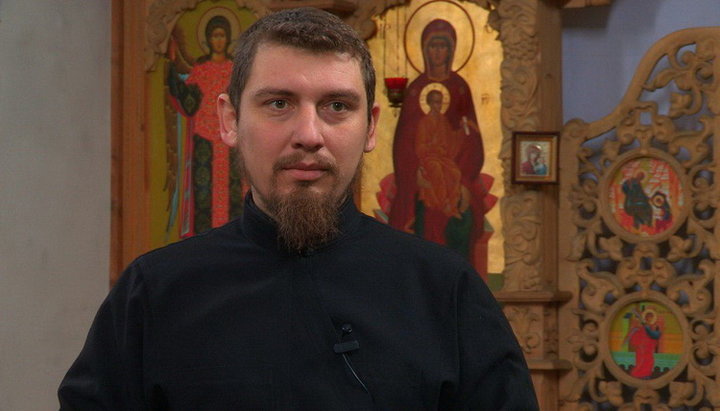
Anatoly Vasilenko, a repentant "priest" of the UOC KP
In January 2018, the Ukrainian Orthodox Church accepted into its fold the repentant "priest" of the Kiev Patriarchate – Anatoly Vasilenko.
Yesterday's schismatic, together with the majority of his parishioners,brought repentance at the Holy Intercession Church of Korosten, in the presence of the head of the eparchy, Metropolitan Vissarion (Stretovich) of Ovruch and Korosten.
In an interview with the UOJ, Anatoly Vasilenko spoke of what atmosphere prevails in the UOC KP and what ideology is propagated among the "clergy" of the Kiev Patriarchate, as well as ofthe reasons for his transition to the canonical Church.
Read also
The Council of Crete: a decade of unity in name only
Constantinople marked the anniversary of the Council of Crete with a theological conference in France. They spoke about the unity of Orthodoxy, although over the past years there has noticeably been less of it.
Yelensky’s plan: Why is DESS demanding what the UOC has already done?
DESS is demanding that the UOC take steps it has already taken, while offering no assurance that further demands will not follow. What is behind Yelensky’s ultimatum?
Why OCU hierarchy lacks canonical ordination: what Local Churches say
The OCU head refuses to address invalidity of his ordinations. But almost all Local Churches speak of it – even those that recognized the OCU.
Why nation-first advocates do not call for peace
Ukraine’s population is declining by nearly one million people a year, and experts are warning of the nation’s demographic extinction. Yet the leaders of the Orthodox Church of Ukraine (OCU) and the Ukrainian Greek Catholic Church (UGCC) continue to call for war and mobilization.
The deception that decided the fate of the Tomos
In 2008, the "Filaret problem" derailed Yushchenko's plan. In 2018, Poroshenko solved it in just one hour – with a police escort for the Greeks and verbal promises to Filaret.
Lawyers in the crosshairs: How UOC is being stripped of its right to defense
Activists harass UOC lawyers outside courthouses, call them “traitors” on air, and promise them a “warm welcome” at hearings. The Church’s right to a legal defense is at stake.