Georgian Patriarchate condemns pressure to recognize OCU
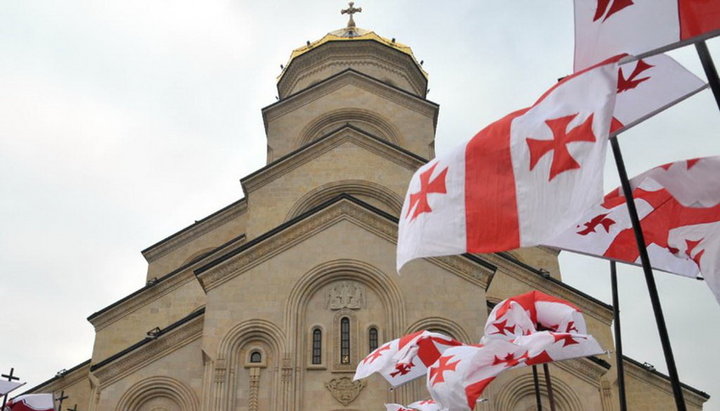
The Georgian Church finds pressure to recognize the OCU unacceptable
The Georgian Church has stated that it will base its eventual decision on the canon law of the Church, not on any national or ethnic considerations. For the Georgian Church, such pressure is unacceptable, according to the head of the Patriarchate’s press service Protopriest Andria Dzhagmaidze, reports “Interfax”.
“Increased pressure on our Church and clergy continues today under the call that supposedly those who do not support the new church structure in Ukraine have pro-Russian sentiments. Meanwhile, the question demands careful consideration, as in both the Greek and Slavic Churches, there is no unequivocal attitude towards it,” Fr. Andria said.
He also noted that the issue is being studied by the members of the Holy Synod and that the decision will be made solely on the basis of the canons.
At the end of 2018, the Synod of the Georgian Church postponed the discussion of the church situation in Ukraine to its next meeting. The head of the Georgian Church, Patriarch Ilia, stated that “the situation in Ukraine is extremely tense” and, in connection with it, the Church of Georgia “has no consensus and unanimity”.
Read also
Lithuanian bishop: Ukraine is no model for believers' rights
Vicar of Vilnius Diocese voices concern over attempts to import Ukraine's religious conflict into Lithuania.
Hundreds of believers honor St. Alexis of Carpatho-Russia in Khust Eparchy
At the St. Nicholas Monastery in the village of Iza-Karputlash, Metropolitan Mark of Khust led a festive liturgy, concelebrated by six metropolitans, five archbishops and three bishops.
Court upholds UOC parish appeal in Voloshky over OCU switch dispute
The Northern Commercial Court of Appeal has upheld the appeal of the St. Nicholas parish of the UOC in the village of Voloshky, Volyn region, in a dispute over a transfer to the OCU.
Zelensky says 9.5M Ukrainians expected to return home from abroad
Zelensky stated that 9.5 million Ukrainians who left abroad are expected to return home to rebuild the country.
German theologian criticizes Ukrainian authorities' pressure on UOC
German theologian Regina Elsner has said that pressure from the authorities on the Ukrainian Orthodox Church places an additional heavy burden on believers during the war.
Poland bans entry to Lviv official over SS Galicia and UPA glorification
Polish Foreign Minister initiates entry ban on Lviv Regional Council deputy who proposed declaring 2027 the Year of the UPA.