Yurash: We prepared what the authorities are now doing with the UOC
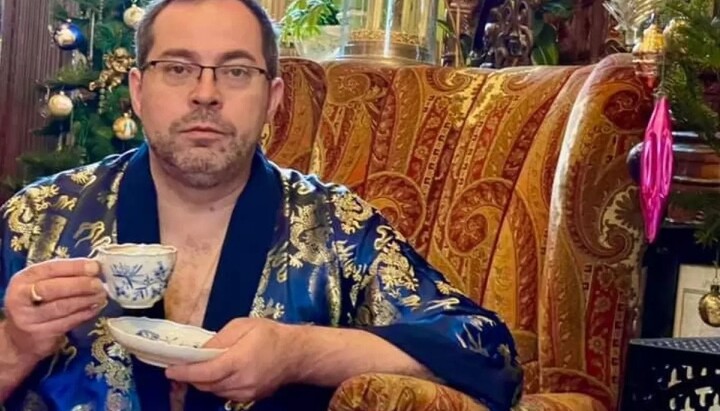
Andriy Yurash. Photo: FB page of Yurash
In an interview with Radio NV, Ukrainian Ambassador to the Vatican Andriy Yurash said that when he was in charge of the State Department for Religious and National Affairs, the authorities constantly planned and prepared a ban on the UOC.
“If we track the actions of our department consistently and systematically, then in fact everything we did was preparing and motivating in a variety of ways this final decision and this model for solving a very complex problem (by prohibition of the UOC – Ed.), which we have seen in recent weeks,” says Yurash.
“It’s just the harsh, terrible realities of the war that helped everyone understand the correctness of the steps taken then and resort to those actions that ultimately lead to the clearest possible solution to this situation,” Yurash commented on the actions of the authorities.
Earlier, the UOJ reported that the Cabinet of Ministers dismissed Olena Bohdan, the head of the State Ethnopolitics.
Read also
Met. Meletiy consecrates house of worship for UOC community in Dankivtsi
Members of the persecuted UOC Intercession parish in Dankivtsi have converted a house into a place for communal prayer and worship services.
OCU eparchy sells church center site to developer for housing
The OCU’s Volyn Eparchy sold land intended for a spiritual center to a private developer planning to build townhouses and residential buildings.
SBU names UOC priest’s wife a suspect in Cherkasy region
The SBU accused Matushka Kateryna Prykotenko of “spreading enemy propaganda” through correspondence with parishioners.
UGCC cleric calls Russian Orthodox literature dangerous for clergy
While examining the causes of divisions within the UGCC, Yustyn Boiko concluded that Russian Orthodox literature had influenced Greek Catholic clergy.
UOC will play major role in achieving peace, says Vadym Novynskyi
UOC Protodeacon Vadym Novynskyi believes the Church will help bring about reconciliation within Ukrainian society after the war ends.
Catholic media outraged by forcible conscription of Uniate cleric
The Vatican’s Apostolic Nunciature has demanded the return of a forcibly mobilized Greek Catholic cleric.