The boy who sang "Smuglyanka" song barred from Eurovision
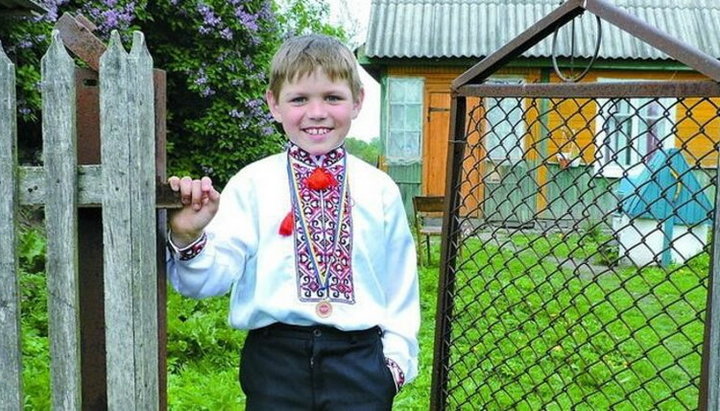
Maxim Tkachuk. Photo: strana.ua
The National Public TV and Radio Company of Ukraine denied the 12-year-old Volyn resident Maxim Tkachuk the opportunity to take part in the national selection for Eurovision, Vesti reports.
The National Public TV and Radio Company of Ukraine, which selects for the Junior Eurovision Song Contest, canceled the boy's application, citing the fact that since 2014 he performed in concerts organized by the aggressor country.
The boy was reminded of his performance in early March this year, when he won the prestigious Stars of the Albion competition in London with the Soviet song of the war years "Smuglyanka", winning awards in three nominations at once. After that, the boy was subject to stigmatization by the media and social networks.
The Odessa Eparchy of the UOC supported the talented boy by taking part in the song flash mob #Maxim, we are on social networks across Ukraine.
As the UOJ reported, earlier Maxim Tkachuk took part in a number of concerts in the Odessa Eparchy.
Read also
Upper Lavra court hearing postponed
The next court hearing in the Upper Lavra case has been scheduled for November 3.
UOC priest blesses ambulances at Kamianske medical center
A UOC priest in Kamianske blessed ambulances for a medical facility and wished its doctors God's help in their work.
Dumenko to German ambassador: Law targeting UOC also applies to other groups
Epifaniy Dumenko sought to defend Ukraine’s law restricting religious organizations during a meeting with the German ambassador.
Activists bused to court hearings in UOC cases, media say
A minibus has been spotted transporting protesters to and from courthouses where UOC cases are being heard.
Firefighters save historic UOC church from fire in Zakarpattia
A fire broke out at a UOC church in the Tiachiv district, damaging the altar and church furnishings.
Volyn Eparchy faithful collect six tons of aid for Sviatohirsk Lavra
Believers in Volyn collected food and warm clothing for people displaced by the war who have found shelter at Sviatohirsk Lavra.