“Priest” in Khmelnytsky region laments that UOC clergy do not join OCU
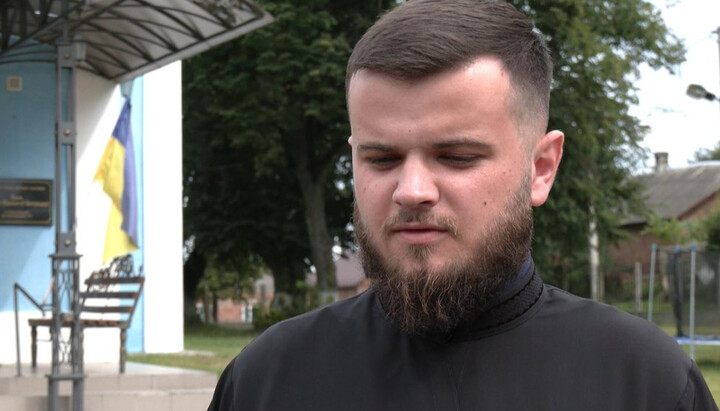
Zakhar Zalizny. Photo: suspilne.media
The representative of the Khmelnytsky diocese of the OCU, Zakhar Zalizny, complained that the majority of UOC priests in the Khmelnytsky region are unwilling to transition to the structure led by Dumenko, Suspilne reports.
According to Zalizny, “250 parishes have converted to the OCU in Khmelnytsky since 2014. Yet, only 20 priests of the UOC have moved there.”
Zalizny did not disclose the total number of UOC priests residing in the region but noted that his organization (OCU) is experiencing a severe shortage of personnel.
Earlier, the UOJ wrote that in Netishyn, believers of the UOC have been praying in a house since their temple was seized by OCU raiders.
Read also
OCU activist admits breaking into UOC church in Sloviansk
Oleksandr Onyshchenko said that the OCU held its first "service" at the Seraphim Church, which had previously been broken into by forcing the locks and doors.
Archimandrite Ioustinos, longtime keeper of Jacob's Well, dies in Jordan
Archimandrite Ioustinos (Mamallos), the keeper of Jacob's Well in Nablus, has died after a prolonged illness.
Pilgrim group from Kyiv Theological Seminary visits Mount Athos
KTS students are making a pilgrimage to the holy sites of Romania, Greece, Mount Athos and Italy.
UOC cathedral celebrates its patronal feast in Ternopil
The service in the cathedral of the Holy Martyrs Faith, Hope, Love and their mother Sophia was led by Metropolitan Serhii of Ternopil, concelebrated by four hierarchs.
MinCulture marks centenary of Soviet-era reserve at Lavra's Refectory Church
Representatives of the Ministry of Culture presented awards to the Reserve's employees on the occasion of the anniversary at the Refectory Church of the Lavra.
Conference to mark 1700th anniversary of Christianity adoption held in Georgia
In Georgia, representatives of the Church and the state noted the defining role of Christianity in the country's cultural development.