VR to toughen punishment for violation of LGBT and transgender rights
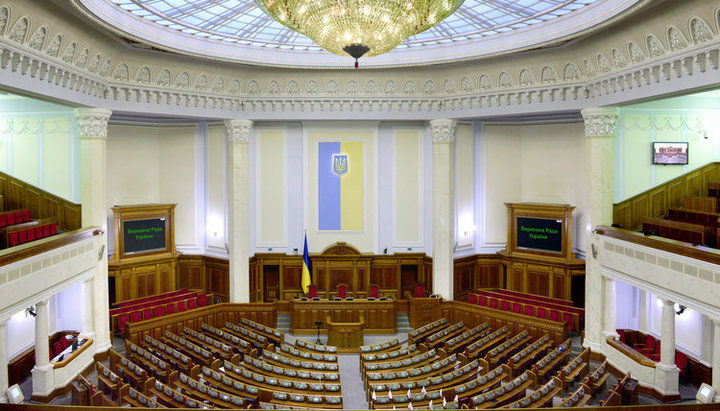
The Verkhovna Rada of Ukraine intends to strengthen criminal liability for violation of LGBT rights. Photo: timeforaction.in.ua
The Verkhovna Rada of Ukraine plans to consider in the near future a bill on amendments to the Criminal Code, which provides for tougher punishment for violation of the rights of LGBT and transsexuals, the Information and Education Department of the UOC reports, citing religious expert Yuri Reshetnikov.
According to the expert, in the 161st article of the Criminal Code of Ukraine "Violation of the equality of citizens depending on their race, nationality or attitude to religion", a new sign – sexual orientation, transsexuality – will be added to the existing ones."
The punishment under this article of the Criminal Code, depending on its part, ranges from a large fine, correctional labor with deprivation of the right to hold certain positions, up to 5 years in prison.
As reported by the UOJ, experts pointed to discrimination against the UOC in the new draft law on chaplaincy.
Read also
Upper Lavra court hearing postponed
The next court hearing in the Upper Lavra case has been scheduled for November 3.
UOC priest blesses ambulances at Kamianske medical center
A UOC priest in Kamianske blessed ambulances for a medical facility and wished its doctors God's help in their work.
Dumenko to German ambassador: Law targeting UOC also applies to other groups
Epifaniy Dumenko sought to defend Ukraine’s law restricting religious organizations during a meeting with the German ambassador.
Activists bused to court hearings in UOC cases, media say
A minibus has been spotted transporting protesters to and from courthouses where UOC cases are being heard.
Firefighters save historic UOC church from fire in Zakarpattia
A fire broke out at a UOC church in the Tiachiv district, damaging the altar and church furnishings.
Volyn Eparchy faithful collect six tons of aid for Sviatohirsk Lavra
Believers in Volyn collected food and warm clothing for people displaced by the war who have found shelter at Sviatohirsk Lavra.