UOC archdeacon: Ukraine returns to the time of persecution of Church
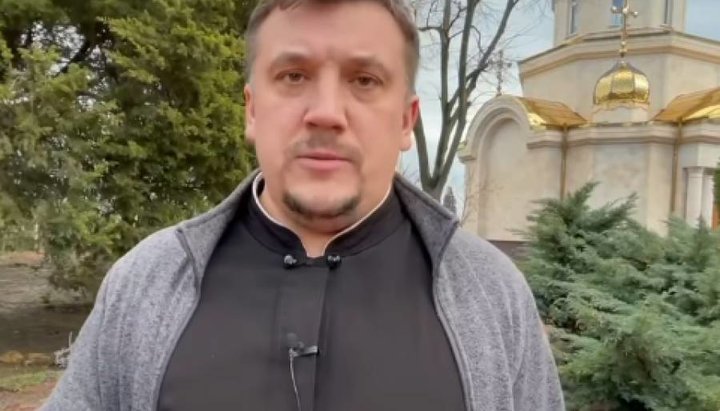
Archdeacon Andrey Palchuk. Photo: seraphim.com.ua
The cleric of the Odessa Eparchy, Archdeacon Andrey Palchuk, shared his thoughts on the situation around the UOC, in particular, he noted on the Youtube channel of the Odessa Eparchy that Ukraine is on the verge of serious changes in social and church life.
According to Palchuk, the country is gradually returning to the situation two years ago, during the time of the persecution of the Church, although recently it has seemed that those times were gone forever.
“In the media, a terrible assumption sounds as the leitmotif – we can return to 2019 when there were violent seizures of churches and shrines when armed, unknown people took away churches from Orthodox communities, martyrdom blood was shed when they mocked at our clergy when we were called an aggressor church," he noted.
According to Archdeacon Andrey Palchuk, the document adopted on February 2 by the "synod" of the OCU, which states that the state is not making proper efforts to rename the UOC, is political demagogy, and once again shows that the OCU is a political organization that has little in common with religiosity and spirituality.
“This document does not contain what should be in the appeal of clergymen to believers, there is no call to do good, to pray, to fulfill the commandments. If the UOC began to interfere in state affairs, as the OCU does, now it would be inflated in all the media. And if the next "synod" of the OCU calls for the closure of the Youtube channel, Facebook, Instagram of the Odessa Eparchy with the words: ‘How long can the aggressor church be tolerated,’ what should we do? All this resembles fascist rhetoric,” he added.
The archdeacon noted that although the discrimination against the multi-million flock of the UOC is gaining new momentum, the believers of the UOC will never follow the path of their opponents but will continue to pray and do good deeds.
“There are more than 50 churches in Odessa, they are as crowded as can be, and there are several churches belonging to other structures, there are very few people there. Are you saying that we all need to be deported? Our Beatitude Metropolitan Onuphry is a holy man, and if he were like our opponents and said that we need to respond, it would be madness, but we will never agree to this,” said the archdeacon.
“There was Diocletian in the history of mankind, the Soviet power thought to destroy the Church in 70 years, but we are here because God created the Church, headed by the Lord Jesus Christ, Who conquered the gates of hell. Therefore, we do not call on anyone to go to rallies and oppose these things physically, we ask you to remain Christians, to pray. We believe that the Lord will impart wisdom to our opponents and soften their hearts,” the cleric added.
As previously reported, the Ambassador to Israel again tried to discuss with Patriarch Theophilos "the development of the OCU".
Read also
Met. Meletiy consecrates house of worship for UOC community in Dankivtsi
Members of the persecuted UOC Intercession parish in Dankivtsi have converted a house into a place for communal prayer and worship services.
OCU eparchy sells church center site to developer for housing
The OCU’s Volyn Eparchy sold land intended for a spiritual center to a private developer planning to build townhouses and residential buildings.
SBU names UOC priest’s wife a suspect in Cherkasy region
The SBU accused Matushka Kateryna Prykotenko of “spreading enemy propaganda” through correspondence with parishioners.
UGCC cleric calls Russian Orthodox literature dangerous for clergy
While examining the causes of divisions within the UGCC, Yustyn Boiko concluded that Russian Orthodox literature had influenced Greek Catholic clergy.
UOC will play major role in achieving peace, says Vadym Novynskyi
UOC Protodeacon Vadym Novynskyi believes the Church will help bring about reconciliation within Ukrainian society after the war ends.
Catholic media outraged by forcible conscription of Uniate cleric
The Vatican’s Apostolic Nunciature has demanded the return of a forcibly mobilized Greek Catholic cleric.