Khmelnytsky Eparchy: preparations made to raid Krasyliv and Pylypy churches
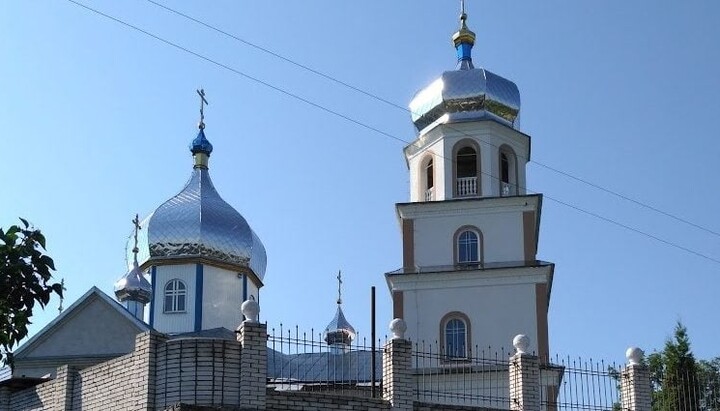
The Church of the Nativity of the Holy Theotokos (UOC) in Krasyliv. Photo: Khmelnytskyi Eparchy
The press service of the Khmelnytskyi Eparchy of the UOC warns that today, 17 May, there are plans to seize churches in the town of Krasyliv and the village of Pylypy.
"Verified information has come from Krasyliv that today there are plans to seize our churches in the city of Krasyliv and the village of Pylypy. We ask for prayerful support for our brothers and sisters who are standing up for their sanctuaries!" the message says.
As previously reported, it has become known who is engaged in the raider attacks on the UOC churches in Krasyliv and the region: the mayor of the city, Nila Ostrovska, formerly an active member of the "European Solidarity" party of former Ukrainian President Petro Poroshenko.
Read also
TRC releases UOC priest from Vilniansk after two days in detention
Archpriest Viacheslav Honcharenko was released from the Zaporizhzhia TRC following two days of efforts by his lawyers and family.
UOC church sealed in Zhukivka village
OCU activists in Kyiv region allegedly forged documents and sealed the Church of the Intercession of the Most Holy Theotokos.
Karas urges to “de-occupy” UOC churches after Trump’s remarks on Zelensky
Radical activist Yevhen Karas said that following Trump’s call for Zelensky to step down, nothing stands in the way of seizing all UOC churches.
Lutsk cathedral holds memorial service for victims of Russian attack
A memorial service was held at the Cathedral of All Saints of Volyn for those killed in the Russian attack on October 14.
UOC’s Holy Protection Monastery in Kharkiv celebrates 300th anniversary
Metropolitan Onufriy of Kharkiv and Bohodukhiv led a Divine Liturgy and cross procession to mark the monastery’s 300th anniversary.
For EU integration, Zelensky approves LGBT rights protection strategy
Zelensky signed a decree approving a National Human Rights Strategy that identifies LGBTQI+ people as a group at heightened risk of rights violations.