Shevchenko: The prospect of sanctions shook MPs’ willingness to ban UOC
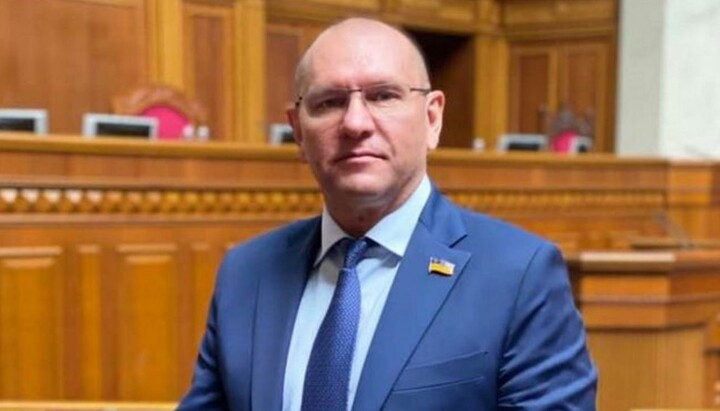
Yevhen Shevchenko, MP. Photo: Shevchenko’s Facebook
There are no votes to pass bill No 8371 on the actual UOC ban. MP Yevhen Shevchenko noted in a comment to ‘Strana’ that now in the Verkhovna Rada many of his colleagues are hesitating.
‘Information about possible sanctions has shaken the desire of many to vote. Many undecided voters, whom lobbyists appealed to in the name of patriotism, were expected to be persuaded. But it seems the plan did not work out," said the member of parliament.
According to him, the consideration of the bill has been postponed until the end of August, and it may not even be brought to a vote then.
"Moreover, I would say that I don't see any desire to push the issue from the country's top leadership," added Shevchenko.
As previously reported by the UOC, signals were received from Washington urging the Parliament not to vote for the UOC ban.
Read also
Met. Meletiy consecrates house of worship for UOC community in Dankivtsi
Members of the persecuted UOC Intercession parish in Dankivtsi have converted a house into a place for communal prayer and worship services.
OCU eparchy sells church center site to developer for housing
The OCU’s Volyn Eparchy sold land intended for a spiritual center to a private developer planning to build townhouses and residential buildings.
SBU names UOC priest’s wife a suspect in Cherkasy region
The SBU accused Matushka Kateryna Prykotenko of “spreading enemy propaganda” through correspondence with parishioners.
UGCC cleric calls Russian Orthodox literature dangerous for clergy
While examining the causes of divisions within the UGCC, Yustyn Boiko concluded that Russian Orthodox literature had influenced Greek Catholic clergy.
UOC will play major role in achieving peace, says Vadym Novynskyi
UOC Protodeacon Vadym Novynskyi believes the Church will help bring about reconciliation within Ukrainian society after the war ends.
Catholic media outraged by forcible conscription of Uniate cleric
The Vatican’s Apostolic Nunciature has demanded the return of a forcibly mobilized Greek Catholic cleric.