Ukrainian authorities complain to Phanar that Dumenko hinders OCU-UOC unity
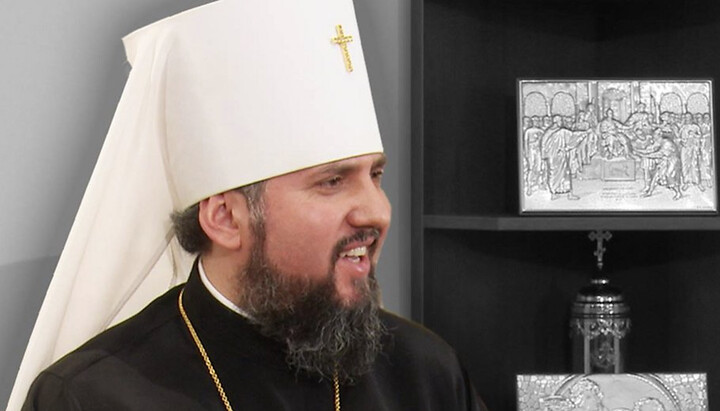
Epifaniy Dumenko. Photo: bbc.com
Ukrainian authorities have complained to the Patriarchate of Constantinople about Epifaniy Dumenko, claiming that he is hindering the unity of Orthodoxy in Ukraine.
The Greek outlet “Romfea”, citing its sources, claims that the Phanar "receives complaints from the Ukrainian authorities that Metropolitan Epifaniy does nothing to unite the Churches (the UOC and the OCU – Ed.), but on the contrary, hinders it."
"Romfea" stresses that "violent seizures of UOC temples by OCU supporters, with the use of weapons and tear gas, as well as mass beatings of believers, make dialogue with the UOC impossible."
"These actions, instead of uniting the Churches, only consolidated the faithful of the UOC against the OCU," wrote “Romfea”.
There recalled that from 2018 to today "none of the 100 bishops of the Ukrainian Orthodox Church has joined the OCU, and the seized churches remain empty, as there is no one to serve in them".
As reported by the UOJ, according to Romfea, a year ago Zelensky requested the Phanar to give the OCU the status of patriarchate.
Read also
Favor Foundation appeals for donations to UOC charity canteens
The charity is raising UAH 180,000 to purchase food for seven UOC charity canteens in Kyiv, Kharkiv, Dnipro, Sumy, and Oleksandriia.
UOC volunteers deliver 30 tons of aid from Bukovyna to Sviatohirsk Lavra
Believers of the Chernivtsi and Bukovyna Eparchy of the UOC brought about 30 tons of humanitarian aid for the Sviatohirsk Lavra and residents of nearby villages.
Kyiv Theological Academy professor mobilized
Kyiv Theological Academy lecturer Serhiy Bortnyk, who was detained by the TRC in Kyiv, has been mobilized.
Kherson Eparchy receives another aid shipment from Dnipro
120 food packages, over a ton of vegetables and dairy products have been delivered from Dnipro to Kherson for parishioners and needy residents.
Supreme Court denies UOC open hearing on appeal against DESS
Judges decide to consider UOC appeal against DESS in written proceedings.
Pope holds phone call with Putin
Pope Leo XIV discussed the humanitarian situation in Oleshky with Vladimir Putin.