The guiding principle of Sharikov
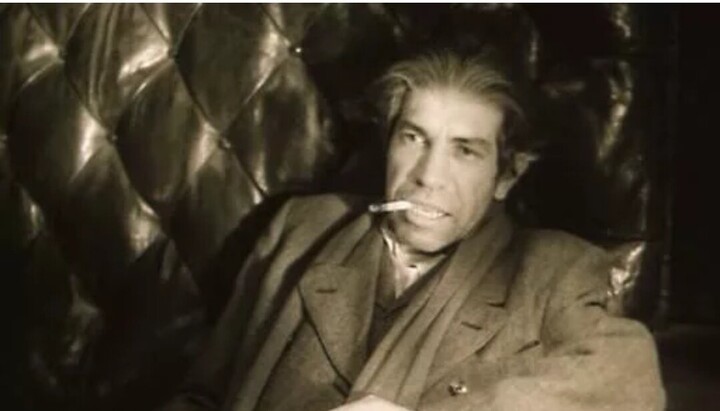
A still from the film "Heart of a Dog"
Today, the Ukrainian parliament passed Law 8371, which aims to ban the Ukrainian Orthodox Church.
At the same time, none of them may have even considered the historical parallels, because on 20 August 1918, Soviet authorities issued a decree abolishing private property, essentially not only depriving citizens of their right to this property but also declaring the state's right to seize it.
Law 8371 belongs to the same category: the state decided it can seize property – of the Church, monks, believers...
It turns out that Sharikov's words "take it and divide it" remain a guiding principle for most politicians today.
And, perhaps for this reason, "Heart of a Dog" is banned in Ukraine: lawmakers see themselves in Bulgakov's immortal work.
Read also
Shoulder straps or a cassock: who writes the script for UOC "fighters"?
Everything indicates that both Veliar and Pshenychny are ordinary performers of someone else's script. There is only one question – does the scriptwriter wear shoulder straps or a cassock?
Why is it legal to kill a person before birth but not after?
Children are the most privileged members of society. Yet that same society officially permits children to be killed – and on a massive scale.
Honoring the Bolsheviks’ successors at Kyiv Lavra
It was under the Reserve that the relics of the saints were desecrated, Lavra churches were turned into an atheism museum, and toilets were installed in sanctuaries.
"Degenerates" and "stupid animals": anti-UOC activists turn on children
Future historians will wonder how a vast country’s information agenda could have been shaped for so long by people so petty, vicious, and utterly contemptible.
Zelensky sees murder of Polish priest but not of Sviatohirsk monk
Why does Zelensky react so emotionally and swiftly to the murder of a Catholic cleric while remaining completely silent about the murder of an Orthodox monk?
UOC vs. OCU numbers: pollsters count, social media recount
Official polling suggests Dumenko’s structure has an overwhelming lead in the number of parishioners, while social media polls paint a very different picture. Which should we believe?