OCU supported by local authorities seize last UOC church in Irpin
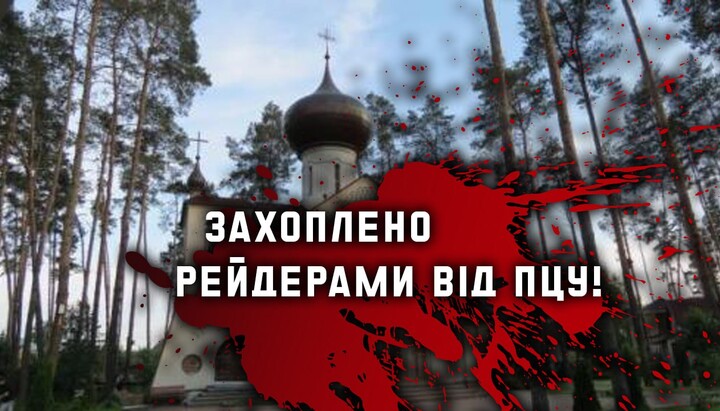
St Nicholas Church in Irpin. Photo: Dozor
On September 19, a group of raiders from the OCU, supported by Irpin Mayor Oleksandr Markushyn and the police, seized the St Nicholas Church and the Chapel of the Resurrection of Christ of the UOC, reports the Telegram channel dozor_kozak1.
According to Irpin’s Archpriest Oleksandr Fedorychko, the criminals cut the locks on the church and claimed that it now belongs to the OCU.
On June 28, activists from Epifaniy's structure, led by Serhiy Voznyi, held an illegal meeting and forged documents for the church. It is noted that there were two accomplices in this lawlessness, former clerics of the UOC.
"It seems that the raiders and activists from Epifaniy’s structure have nothing sacred left. This church was built by the late Fr Volodymyr Bormashev, who died during Russian shelling in Irpin at the beginning of the full-scale war. The believers of the UOC have been deprived of their last church in the deanery!" the message says.
As reported by the UOJ, earlier OCU supporters seized St. George’s Church in Irpin.
Read also
Met. Meletiy consecrates house of worship for UOC community in Dankivtsi
Members of the persecuted UOC Intercession parish in Dankivtsi have converted a house into a place for communal prayer and worship services.
OCU eparchy sells church center site to developer for housing
The OCU’s Volyn Eparchy sold land intended for a spiritual center to a private developer planning to build townhouses and residential buildings.
SBU names UOC priest’s wife a suspect in Cherkasy region
The SBU accused Matushka Kateryna Prykotenko of “spreading enemy propaganda” through correspondence with parishioners.
UGCC cleric calls Russian Orthodox literature dangerous for clergy
While examining the causes of divisions within the UGCC, Yustyn Boiko concluded that Russian Orthodox literature had influenced Greek Catholic clergy.
UOC will play major role in achieving peace, says Vadym Novynskyi
UOC Protodeacon Vadym Novynskyi believes the Church will help bring about reconciliation within Ukrainian society after the war ends.
Catholic media outraged by forcible conscription of Uniate cleric
The Vatican’s Apostolic Nunciature has demanded the return of a forcibly mobilized Greek Catholic cleric.