Khust Eparchy requests prayers for TCC-abducted UOC priest
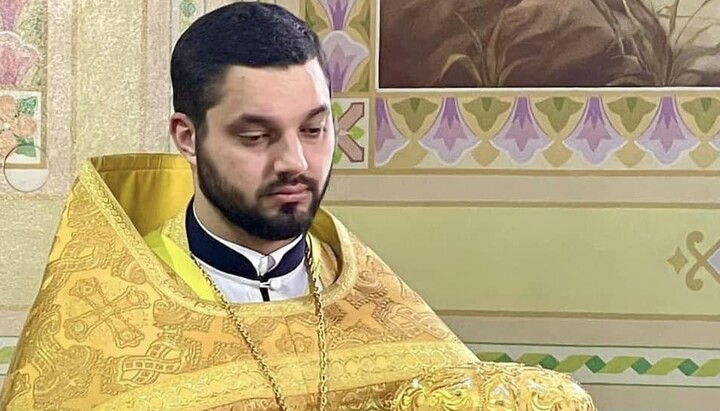
Archpriest Vasyl Huk. Photo: Khust Eparchy
Today, after the Divine Liturgy, employees of the Khust TCC took two UOC priests. According to Artem Dmytruk, one of them is Father Vasyl from the Khust Eparchy. The diocese's press service, on its Facebook page, called for prayers for their cleric.
“We ask for prayers for Archpriest Vasyl Huk of the Khust Eparchy,” said the message, posted around 19:00.
Father Vasyl lives in the village of Iza, Khust district. A few weeks ago, he buried his brother, Priest Mykhailo.
There is information that the Khust TCC has set a condition for the people who came to demand the release of the priests: the priests will be released if the people disperse and unblock the roads. The believers responded that they would disperse, but only after the priests were set free.
As the UOJ previously reported, according to Dmytruk, TCC representatives “grabbed and shoved Father Vasyl from the Khust Diocese and Father Stepan from the Odesa Diocese into a van.”
Read also
MP urges to ease pressure on UOC for sake of peace
Oleksii Honcharenko proposed compromises on language, historical memory, and Church issues as part of efforts to achieve peace, saying those who wish to attend the “Russian Church” should be allowed to do so.
Court takes 17th-century church in Staryi Pochaiv from UOC community
A commercial court overturned a 2018 registrar’s decision and stripped the UOC’s Ternopil Eparchy of ownership of the 17th-century church.
Vinnytsia Eparchy honors Bar Icon of the Mother of God
Metropolitan Varsonofiy celebrated the Liturgy at the Bar Convent on the feast day of the wonderworking icon of the Mother of God.
Rada speaker discusses legalization of same-sex marriage in Rivne region
Ruslan Stefanchuk suggested that sponsors of separate bills to legalize same-sex marriage personally make their case to Ukrainians.
SBU told Phanar many UOC bishops would join OCU in 2018, report says
According to a Phanar representative’s account, Ukrainian security services told the Constantinople delegation that many UOC representatives were prepared to attend the OCU’s “Unification Council.” In the end, only two did.
Catholic cardinal visits Ukrainian POWs during trip to Russia
During three days of consultations in Moscow, Cardinal Matteo Zuppi discussed prospects for ending the war in Ukraine.