Media: OP uses seizure of UOC cathedrals to divert attention from the front
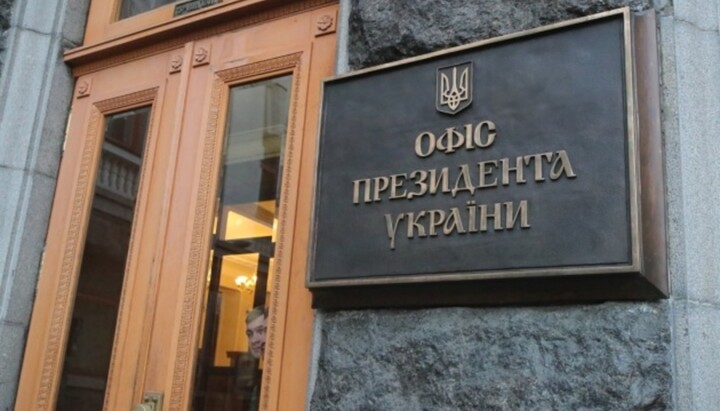
The Office of the President. Photo: Korrespondent
The Telegram channel "Resident" published a message citing an anonymous source in the Office of the President of Ukraine. According to the post, the Office of the President allegedly gave permission for the seizure of UOC temples involving military personnel and radicals. The source claims this is being done to divert attention from failures on the frontlines.
The media asserts that it is important for the administration to fill the information space with high-profile scandals, so the seizures of cathedrals have intensified. There has been no official confirmation on this matter so far.
As reported by the UOJ, in Cherkasy, unknown individuals in camouflage seized a UOC cathedral on their second attempt.
Read also
Lionel Messi thanks God for his achievements as he ends international career
Argentine football star Lionel Messi credited God for his success as he brought his international career to a close, saying he could never have achieved so much without God's will.
Odesa’s St. Elijah Monastery honors memory of its founder
Metropolitan Agafangel led celebrations at St. Elijah Monastery in Odesa on the feast day of St. Gabriel of Mount Athos.
OCU cleric rejects suspension, accuses ruling bishop of usurping power
An OCU cleric called the decree suspending him "canonically null and void" and accused "Bishop" Semanchuk of attempting to seize parishes and using mobilization threats as blackmail.
Supreme Court: Religious beliefs do not exempt citizens from mobilization
The Supreme Court has clarified that Ukrainian law does not provide for alternative civilian service under martial law.
Ukraine birth rate drops 17%, demographer says
The head of a department at Ukraine’s Institute of Demography has reported a sharp decline in the country's birth rate.
Khust Eparchy honors memory of St. Job of Uholka
A Liturgy is served in Mala Uholka, a birthplace of St. Job of Uholka, on the saint's feast day.