UOC bishop: Church was not destroyed during Soviet Era and won’t be now
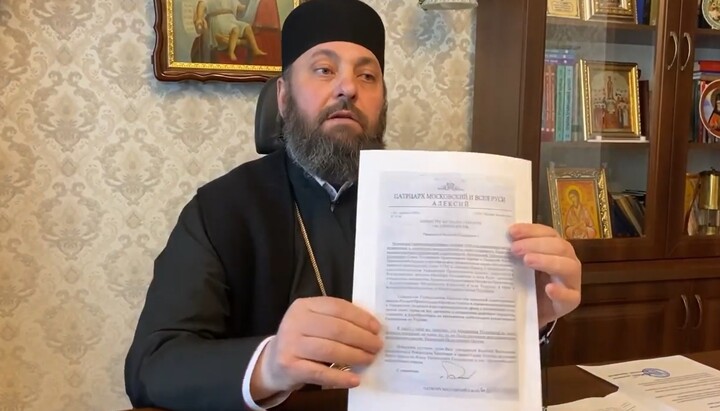
Metropolitan Alexy. Photo: Glavkom
Metropolitan Alexy of Voznesensk and Pervomaisk, in an interview with Glavcom, noted that attempts to destroy the Church, similar to those made during the Soviet era, continue today but will not succeed. “The Soviet authorities failed; why would it work now?” he concluded.
The UOC hierarch addressed issues troubling believers in the face of modern challenges, including the recently passed law referred to as the “ban on the UOC MP.” He pointed out that this law requires amendments to the statutes of UOC parishes, allegedly linked to the ROC. However, Metropolitan Alexy emphasized that the existing statutes of UOC dioceses and parishes do not mention the term “UOC MP.”
The Metropolitan expressed concern about confrontations over churches, where supporters of the OCU forcibly seize places of worship. However, he stated that even such actions would not deprive believers of the opportunity to pray: “Our communities, whose churches are forcibly taken by OCU supporters, set up huts for holding services. And in those huts, which become their sacred churches, they grow into such a strong spiritual family that nothing can intimidate them anymore.”
When asked if parishes would re-register their statutes, Metropolitan Alexy explained that this is practically impossible due to the lack of state infrastructure: “I arrived in Voznesensk, but there was no state registrar. I called Mykolaiv. Do you know what they told me there? We don’t have a state registrar; you need to go to Kyiv. Justice agencies are not functioning in this area.”
Furthermore, he highlighted the absence of tools to implement the law and stressed that this exacerbates societal tensions: “What’s the goal here? To close the churches like the Bolsheviks did, so no one can pray in them?”
Metropolitan Alexy reminded that any trials, including the current ones, must be viewed in a biblical context: “People have always suffered for their faith – they were killed, their land was taken, their homes were destroyed. This isn’t just happening now but has occurred before. Take, for example, the people of Israel. How many hardships did they endure? That’s why we need to seek answers to these questions in the Bible.”
He is confident that despite the pressure and challenges, the Church will remain a pillar for believers: “Believe me, people will find a place to pray. A person will always have the opportunity to satisfy their spiritual needs. Parishes will remain intact; nothing will change for us.”
As reported by the UOJ, political analyst Kostiantyn Bondarenko believes that faithful people will endure persecution, as they have in history.
Read also
Upper Lavra court hearing postponed
The next court hearing in the Upper Lavra case has been scheduled for November 3.
UOC priest blesses ambulances at Kamianske medical center
A UOC priest in Kamianske blessed ambulances for a medical facility and wished its doctors God's help in their work.
Dumenko to German ambassador: Law targeting UOC also applies to other groups
Epifaniy Dumenko sought to defend Ukraine’s law restricting religious organizations during a meeting with the German ambassador.
Activists bused to court hearings in UOC cases, media say
A minibus has been spotted transporting protesters to and from courthouses where UOC cases are being heard.
Firefighters save historic UOC church from fire in Zakarpattia
A fire broke out at a UOC church in the Tiachiv district, damaging the altar and church furnishings.
Volyn Eparchy faithful collect six tons of aid for Sviatohirsk Lavra
Believers in Volyn collected food and warm clothing for people displaced by the war who have found shelter at Sviatohirsk Lavra.