Bulgarian Church Synod opposes registration of Old Calendarists
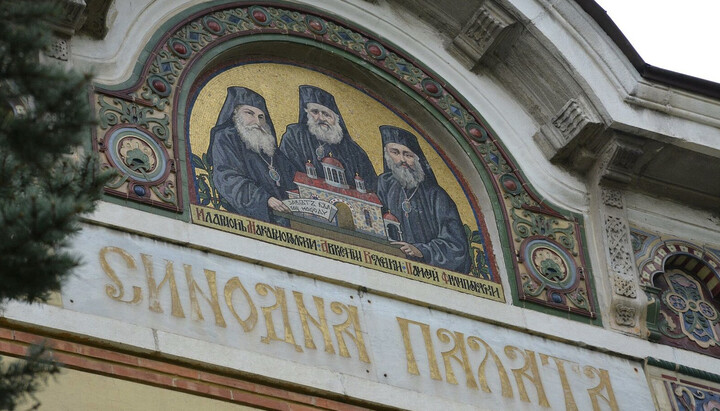
The Synod Building of the Bulgarian Orthodox Church. Photo: Bulgarian Patriarchate
On December 30, 2024, the Holy Synod of the Bulgarian Orthodox Church expressed categorical protest against the legal registration of the schismatic "Bulgarian Orthodox Old Calendarist Church".
The Synod noted that the "joy of Christmas was overshadowed" by the news of the registration. In its statement, the Synod reminded that Bulgaria had already experienced a schism lasting nearly 20 years (1991–2009) and warned that the court's new decision creates a dangerous precedent for the emergence of numerous organizations claiming to be "Orthodox churches".
The Synod emphasized that the Bulgarian Patriarchate is the "sole legitimate representative of the Orthodox faith in Bulgaria," recognized by both the Church and the state, and that the establishment of parallel jurisdictions constitutes a "gross violation of the sacred canons of the Church."
The Synod also criticized the court ruling, which considered the calendar issue as dogmatic. "If the Old Calendarist Church is dogmatically different, it cannot be Orthodox. If the calendar is not a dogmatic issue, then the Old Calendarist group should be part of the Bulgarian Patriarchate," the statement said.
The Bulgarian Church stressed that the calendar issue is not dogmatic: the Church is in communion with Local Churches using the old calendar, and even within the Bulgarian Church itself, there are parishes that serve according to the old style.
The Synod underlined that the unity of the Church, based on communion in Christ, is a fundamental principle of Orthodoxy.
"The creation of parallel 'Orthodox churches' undermines the unity of the Church and the faith of Orthodox Bulgarians," the Synod warned.
Addressing members of the Old Calendarist community, the Synod called on them to return to the canonical Church: "With sorrow and fatherly love in Christ, we urge you to return to the salvific ship of the canonical Bulgarian Orthodox Church – the Bulgarian Patriarchate. May the Lord Jesus Christ, born for our salvation, enlighten the minds and hearts of all of us so that we do not sow division but become bearers of His peace."
Earlier, it was reported that the Bulgarian Supreme Court of Cassation ruled that the schismatic organization must be entered into the legal registry of religious denominations.
The court's decision noted that the canonical Bulgarian Church has existed for several centuries, while the new ruling pertains to a group that has existed for 30 years, does not claim the property of the Bulgarian Patriarchate, and does not pose a threat to the rights of the canonical Church.
The Old Calendarist group, consisting of three bishops, one monastery, and 13 parishes, stated that "this registration removes all administrative and legal obstacles that have so far hindered or continue to hinder the Bulgarian Orthodox Old Calendarist Church from carrying out its activities."
Read also
Zelensky says 9.5M Ukrainians expected to return home from abroad
Zelensky stated that 9.5 million Ukrainians who left abroad are expected to return home to rebuild the country.
German theologian criticizes Ukrainian authorities' pressure on UOC
German theologian Regina Elsner has said that pressure from the authorities on the Ukrainian Orthodox Church places an additional heavy burden on believers during the war.
Poland bans entry to Lviv official over SS Galicia and UPA glorification
Polish Foreign Minister initiates entry ban on Lviv Regional Council deputy who proposed declaring 2027 the Year of the UPA.
OCU award winners stage provocations at UOC court hearings, media report
Rallies outside courts hearing UOC cases are organized by activists who received awards from Dumenko.
Khust Eparchy priest who shot people in Vyshkovo banned from ministry
The Khust Eparchy of the UOC has notified police that it has banned from ministry a priest suspected of killing three people in Vyshkovo, Transcarpathia.
Metropolitan Onuphry congratulates Georgia on 1,700 years of Christianity
The Primate of the UOC sent a message to Patriarch Shio III on the anniversary of Christianity becoming the state religion in Georgia.