Israel urges Ukraine to address antisemitism on social media
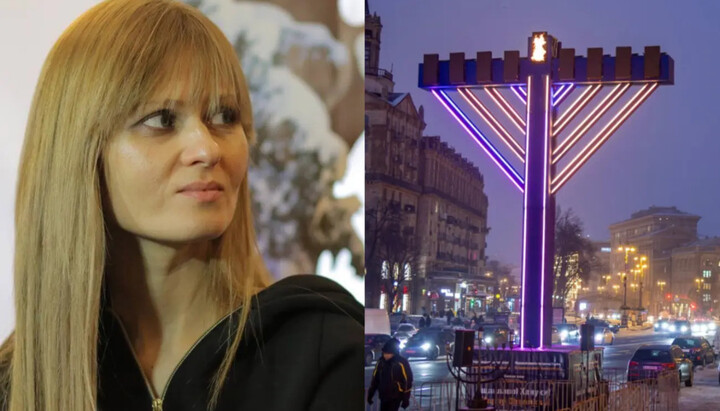
Katya Chilly. Photo: Glavcom
The Israeli Embassy has voiced concerns regarding antisemitic statements on social media. In an official statement published on the Telegram channel of Israel's Ambassador to Ukraine, Michael Brodsky, the embassy highlighted its worries over manifestations of xenophobia.
"The Embassy of Israel in Kyiv expresses concern over incidents of antisemitism during the Hanukkah celebrations in Ukraine, as well as over antisemitic remarks on social media. We thank Ukrainian law enforcement for their swift response and urge continued decisive action against those who incite hatred and break the law," wrote Michael Brodsky.
The statement from Israel was likely prompted by a post from Ukrainian singer Katya Chilly, who opposed the installation of the largest Hanukkah menorah in Europe on Kyiv's Independence Square. Her comments sparked significant public outcry.
Read also
Lithuanian bishop: Ukraine is no model for believers' rights
Vicar of Vilnius Diocese voices concern over attempts to import Ukraine's religious conflict into Lithuania.
Hundreds of believers honor St. Alexis of Carpatho-Russia in Khust Eparchy
At the St. Nicholas Monastery in the village of Iza-Karputlash, Metropolitan Mark of Khust led a festive liturgy, concelebrated by six metropolitans, five archbishops and three bishops.
Court upholds UOC parish appeal in Voloshky over OCU switch dispute
The Northern Commercial Court of Appeal has upheld the appeal of the St. Nicholas parish of the UOC in the village of Voloshky, Volyn region, in a dispute over a transfer to the OCU.
Zelensky says 9.5M Ukrainians expected to return home from abroad
Zelensky stated that 9.5 million Ukrainians who left abroad are expected to return home to rebuild the country.
German theologian criticizes Ukrainian authorities' pressure on UOC
German theologian Regina Elsner has said that pressure from the authorities on the Ukrainian Orthodox Church places an additional heavy burden on believers during the war.
Poland bans entry to Lviv official over SS Galicia and UPA glorification
Polish Foreign Minister initiates entry ban on Lviv Regional Council deputy who proposed declaring 2027 the Year of the UPA.