Son of UOC priest from Ovruch Diocese killed on the frontline
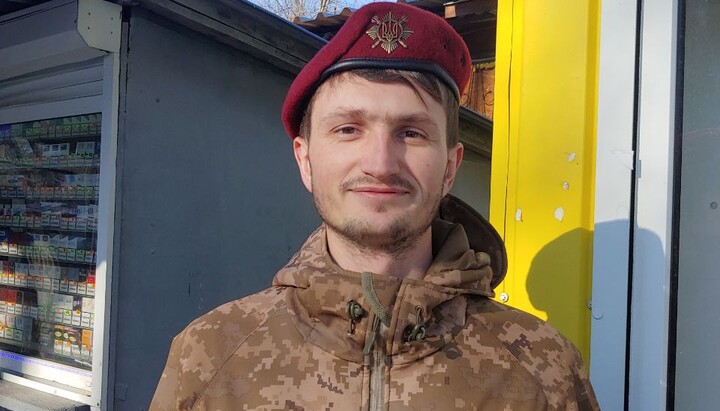
Andriy Lenko studied in seminary and wanted to become a priest. Photo: Facebook of Ovruch City Council
On April 17, 2024, while defending his homeland, Andriy Lenko, the son of Father Volodymyr Lenko from the Ovruch Diocese, was killed, the UOC Press Service reports, citing the Facebook page of the Ovruch City Council. He died near the village of Razdolivka, in the Bakhmut district of Donetsk Oblast, Ukraine. For a long time, he had been listed as missing in action.
Andriy graduated from the Zhytomyr Agro-Economic University. At the time of his draft, he was studying at the Kyiv Theological Seminary, dreaming of becoming a priest.
Reports indicate that he was mobilized in 2022 despite his illness.
Earlier, the UOJ reported that the son of a UOC priest from Ostroh was also killed on the frontline.
Read also
Patriarch Bartholomew hits back at petition against his Bulgaria visit
The Phanar head called opponents of his visit "zealots" with "zeal not according to knowledge" and said they would not succeed in disrupting his trip to Bulgaria.
“Fascinating exhibitions”: Visitors invited to seized UOC cathedral
Local social media groups in Chernihiv are promoting exhibitions at Transfiguration Cathedral, emphasizing that it is "no longer an active church."
Metropolitan Sawa discusses war-driven crisis with charity leaders
The Primate of the Polish Orthodox Church thanked IOCC for supporting people in need amid the crisis in Europe.
Phanar head: Bulgarian Church could mediate between us and ROC
Patriarch Bartholomew believes the Bulgarian Church could help bridge the divide between Constantinople and Moscow, given its good relations with both.
Teen apologizes for painting swastika on Lviv mosque
The Hidayat Mosque community in Lviv accepted an apology from a 15-year-old boy who painted a swastika on the building's facade.
Patriarch Bartholomew: We pray for Ukrainians to unite around Epifaniy
The Phanar head claimed that members of the UOC "still dream of Moscow."