MP: There are more patriots in UOC than among those who call them enemies
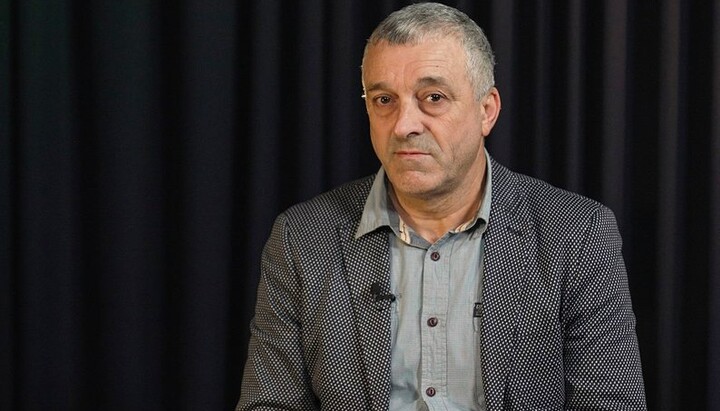
Heorhiy Mazurashu. Photo: Suspilne
Member of Parliament Heorhiy Mazurashu stated that parishioners of the Ukrainian Orthodox Church often show more patriotism than their critics. He reminded that many believers fight on the front lines, engage in volunteer work, and help the army.
“There are plenty of people who attend the UOC and use Russian in everyday life, but they are often greater patriots of our country than those who tear their shirts and shout ‘Glory to Ukraine’ whenever and wherever,” the MP stressed.
Mazurashu noted that he himself is not a parishioner of the UOC, but considers it unacceptable to brand an entire group of citizens as enemies solely on religious grounds.
As the UOJ reported, the MP also said he knows many UOC parishioners who fight, defend, volunteer, and help the army.
Read also
OCU activist admits breaking into UOC church in Sloviansk
Oleksandr Onyshchenko said that the OCU held its first "service" at the Seraphim Church, which had previously been broken into by forcing the locks and doors.
Archimandrite Ioustinos, longtime keeper of Jacob's Well, dies in Jordan
Archimandrite Ioustinos (Mamallos), the keeper of Jacob's Well in Nablus, has died after a prolonged illness.
Pilgrim group from Kyiv Theological Seminary visits Mount Athos
KTS students are making a pilgrimage to the holy sites of Romania, Greece, Mount Athos and Italy.
UOC cathedral celebrates its patronal feast in Ternopil
The service in the cathedral of the Holy Martyrs Faith, Hope, Love and their mother Sophia was led by Metropolitan Serhii of Ternopil, concelebrated by four hierarchs.
MinCulture marks centenary of Soviet-era reserve at Lavra's Refectory Church
Representatives of the Ministry of Culture presented awards to the Reserve's employees on the occasion of the anniversary at the Refectory Church of the Lavra.
Conference to mark 1700th anniversary of Christianity adoption held in Georgia
In Georgia, representatives of the Church and the state noted the defining role of Christianity in the country's cultural development.