Cherkasy deputies vote to ban UOC activities in the city
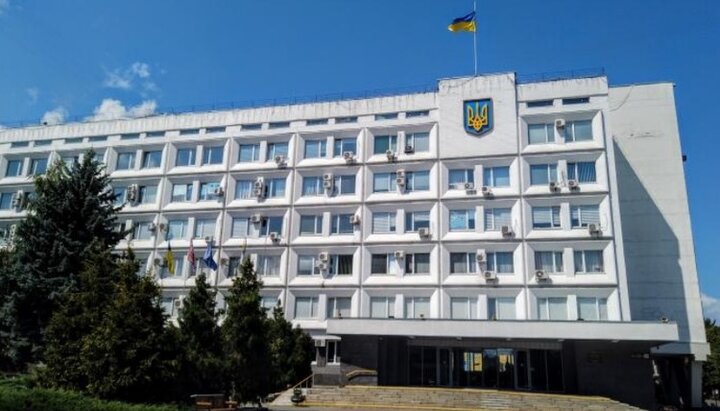
On 23 June 2022, Cherkasy city councillors backed a petition to ban the UOC, reports i-ua.tv.
The vote was not unanimous. The decision to ban the UOC was supported by 30 members of the Cherkasy City Council, while several people said that the local authorities had no authority to ban the activities of the Church. There was also a proposal to appeal to the parishioners of the UOC "so that they do not bring their funds there".
"We must clearly state our position. The Ukrainian Orthodox Church must make a decision: it supports Russia or with the Ukrainian people," the deputy Pavlo Karas said.
As reported, the Boryspil City Council suspended the activities of the “Moscow Patriarchate”.
Read also
Kyiv residents split over renaming alley after Filaret
Forty-six percent of respondents opposed renaming an alley in central Kyiv after Filaret Denysenko.
UOC hierarchs lead patronal feast celebrations at Seltsо monastery
The Mukachevo Eparchy held a festive celebration of the patronal feast of St. John the Theologian Monastery in Seltso.
Court strips UOC's Lebedyn monastery of its bell tower in Cherkasy region
A court upheld a prosecutor's lawsuit, stripping a UOC convent in the Cherkasy Eparchy of ownership of a 19th-century architectural landmark.
Metropolitan Onuphry sends greetings to conference participants in Kharkiv
The UOC Primate greeted participants of the Fifth International Conference on Current Issues in Theology and Church History at Kharkiv Theological Seminary.
TRC officers detain UOC priest with mobilization deferment in Zolotonosha
TRC officers are holding Archpriest Andrii Kononenko despite his official deferment from mobilization because he cares for a child with a disability.
OCU bishop made $300K, kept entire battalion off front lines – scholar
Religious scholar Nikolai Mitrokhin estimated how much “Bishop” Kyrylo earned by selling fraudulent OCU deacon ordinations to 291 men eligible for military service.