

The OCU as it should be: We didn't want to quarrel or take what isn't ours
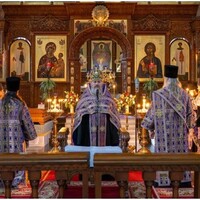
In the village of Luchynets, Vinnytsia region, a group of women did not want to pray in a UOC church and decided to found an OCU community. There are many similar stories in Ukrainian villages, and they usually follow the same scenario.
With the support of the OCU and the authorities, a "village meeting" is organized in a club or a house of culture, at which, against the will of the UOC community, it is "transferred" to the OCU. The church is then seized, forcing parishioners either to build a new one or to make do with whatever small house they can find. The result is division and hostility in the village, sometimes extending to conflicts within families.
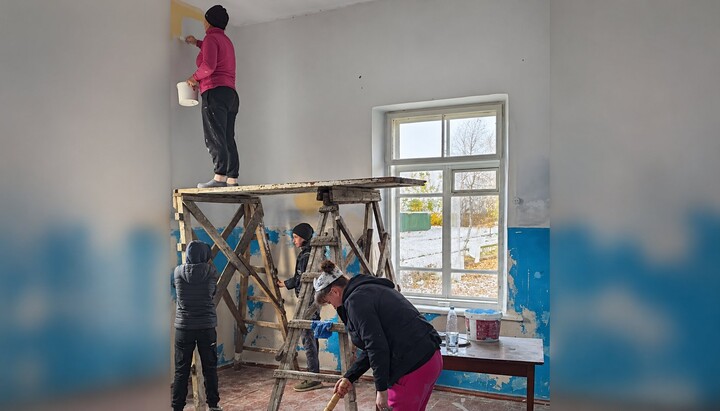
In Luchynets everything is different. Those who count themselves as part of the OCU first prayed in a small chapel, and then received the building of an old hospital from the local authorities and began to repair it with their own efforts.
The leader of the group, volunteer Viktoriia Ivanyshyna-Podolska, publishes videos of the repairs and writes:
“I want everyone to understand one important thing correctly: we did not want to quarrel with anyone, to offend anyone, or to take anything from anyone. We laid claim to nothing and drove no one out. We simply decided to create our own place of prayer, where people could gather, pray in the Ukrainian language, and ask God’s blessing for themselves, their loved ones, and our Ukraine. We did not destroy – we created. We did not divide – we united around a common cause.”

What wonderful and right words! How much depth, truth, and love they contain.
Now let us imagine that supporters of the OCU thought this way not only in Luchynets and in a few other villages but throughout Ukraine. If they did not lie, insult, seize, or beat but built their own, what would our society be like? What would relations between Orthodox believers be like?
Creation, not destruction. Love, not hatred. These are truths that should be self-evident to every Christian.
Why, then, are they understood by ordinary women in a remote village but not by the "metropolitans" in Kyiv?