Cypress
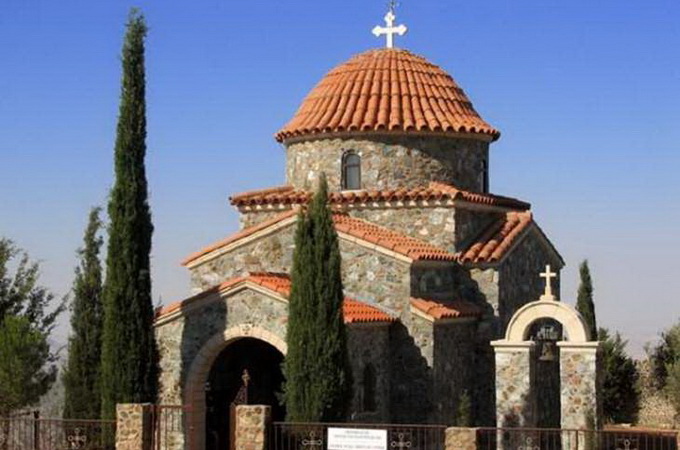
One great elder was strolling at a place with different cypresses, big and small. The elder told one of the pupils, “Pull up this cypress!”
The cypress was small and one of the brothers did it with just one hand. Then the elder pointed to another cypress tree, bigger than the previous one, and said, “Pull up this one, too! The brother began to sway it in both directions and finally rooted it out.
Afterwards the elder showed his pupils an even bigger tree and told the brother to do the same thing. It took far more efforts and time for the pupil to pull up the tree. Then they came across an incredibly big cypress and the elder had the same request for his pupil. Though the brother was breaking his neck to pull it up, he failed to do it. On seeing that the elder told another brother to help him. Eventually they managed to pull up the tree together.
Then the elder said the following, “Here is how our passions work: we can easily eradicate them while they are small. However, if we neglect our fight with them, they get stronger. The bigger and stronger they get, the more effort is required to pull them up. Then there is a moment when it is impossible to root them up alone, and we remain helpless until we begin to seek help from the saint people who offer their assistance to humans upon God’s grace.
Read also
Stories of the Ancient Church. Level of Governance: Patriarch
How did several episcopal sees rise above the rest, why did the church map begin to repeat the map of the empire, and is the patriarchate a sacred form of Church organization?
A Chronicle Without an Author
We are used to calling the "Tale of Bygone Years" the work of St. Nestor. But the signature on it was left by a different monk, and the chronicle itself was passed from hand to hand.
How a wedding stopped a war
The young princess of Slutsk was married off to keep two powerful noble families from drowning the city in blood. Soon afterward, a Uniate metropolitan complained that Orthodoxy had been reborn in Slutsk.
Man before the forces of nature
A solitary figure on the shore seems insignificant before the immense power of the sea, yet it is he who stands before the Creator.
The mysteries of Golgotha in the light of archaeology
The veil of centuries obscures what really happened in the fourth century. Archaeology and ancient texts shed light on the true history of one of Christianity’s greatest sacred sites.
Zaporozhian Cossacks defend the persecuted faith
The story of how Cossacks drew their sabers to defend abused priests – while sometimes causing violent disturbances inside churches themselves.