Taliban introduce Sharia punishments in Afghanistan
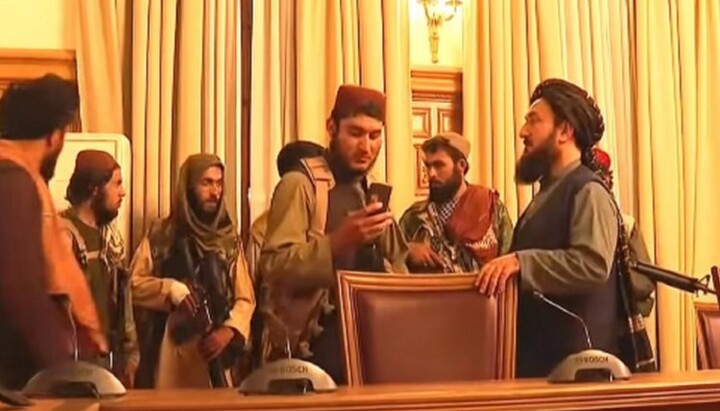
Sharia punishments are being introduced in Afghanistan. Photo: Al Jazeera
On November 14, 2022, Afghanistan’s leader, Hibatullah Akhundzada, ordered judges to enforce Sharia law, including punishments such as public executions, stoning, flogging and amputation for certain crimes, The Guardian reports.
According to Afghanistan’s Deputy Minister of Information and Culture Zabihullah Mujahid, the country’s leader instructed judges to “carefully examine the cases of thieves, kidnappers and rebels” and apply Sharia law to offenses falling under the categories of hudud and qisas.
Hudud and qisas are concepts in Islamic law. Under Islamic jurisprudence, a criminal act may violate the rights of Allah, the rights of an individual, or the rights of Allah together with those of an individual.
Hudud offenses are those regarded as violations of the rights of Allah or of the rights of Allah combined with those of an individual. They include heresy, apostasy, rebellion, robbery, theft, adultery, falsely accusing someone of adultery, drinking alcohol, kidnapping and slander.
Qisas offenses are those that violate the rights of an individual or the rights of Allah together with those of an individual. They include murder and bodily injury. Such crimes are subject to retribution in kind – essentially, an eye for an eye. However, the injured party may choose the punishment: execution, forgiveness of the offender or acceptance of blood money, known as diyya.
Videos and photographs have repeatedly appeared in the media showing Taliban fighters administering corporal punishment to people accused of offenses. The Taliban have also publicly displayed the bodies of alleged kidnappers whom they said were killed in shootouts. There have also been reports of adulterers being flogged in rural areas after Friday prayers.
As the UOJ previously reported, the Taliban banned women in Afghanistan from traveling without a male companion.
Read also
OCU rep shows red-and-black flag with Savior Not Made by Hands icon and trident
A cleric of Dumenko's structure posted a photo with a unique flag on social media.
US Assembly of Bishops reports declining number of Christians in Ukraine
Participants of the Assembly of Canonical Orthodox Bishops of the USA highlighted the dangers facing believers in Ukraine and the Middle East and called for an end to the hostilities.
Phanar hierarch: Council of Crete decisions also apply to non-attendees
A hierarch of the Patriarchate of Constantinople stated that despite the absence of four Local Churches, the Council in Crete did take place.
Memorial service held for victims of Pryluky missile attack
A memorial service for the deceased residents, including four children, was held at the Transfiguration Cathedral of the UOC in Pryluky.
Vinnytsia Eparchy cleric suspended from ministry for spiritist practices
Archpriest Mykola Hryshchenko has been suspended from ministry in the Vinnytsia Eparchy of the UOC. The faithful are not blessed to attend his services.
UOC and Jerusalem Church clergy concelebrate at Church of Holy Sepulchre
During a pilgrimage trip, the UOC clergy concelebrated with clerics of the Jerusalem Church in the Holy Land.