UOC spokesman comments on Cabinet's cancellation of Lavra transfer in 2013
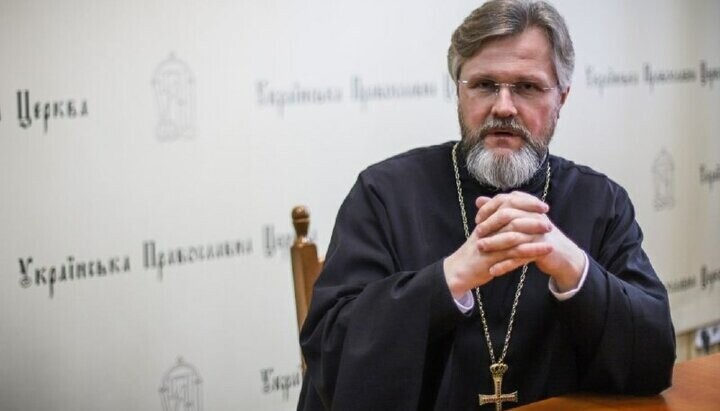
Deputy Chairman of the DECR UOC, Archpriest Mykola Danylevych, commenting on the actions of the Cabinet of Ministers to cancel the decision, which transferred the temples and buildings of the Kyiv-Pechersk Lavra to the UOC, said that without a court decision, it is illegal and unfounded. Father Mykola wrote about it on his Telegram channel.
Archpriest Mykola noted that such a decision is a one-off – such is its legal nature.
"Eviction of the UOC monastery from the Lavra can also be only on the basis of a court decision. The ruling of the Economic Court, which refused to secure the claim, does not give rise to any rights or obligations for the monastery and does not allow to take the buildings and expel the residents of the monastery," the UOC spokesperson added.
As reported, on 30 March, the authorities cancelled the 2013 decree on transferring the Lavra to the UOC for use.
Read also
BOC Patriarch: Bartholomew cannot be anathematized without conciliar decision
Patriarch Daniel said that no Local Orthodox Church has anathematized the Patriarch of Constantinople, warning that misguided zeal can lead people to place themselves above the Church.
Church сonflicts in Ukraine are not particularly bloody, DESS head says
Viktor Yelensky claimed that tensions between Orthodox Christians in Ukraine are "far from dramatic" and that parish transfers to the OCU generally take place without conflict.
Bulgarian Patriarch: Athos monasteries do not admit OCU clergy
The Bulgarian Primate noted that the monasteries of Iviron, Vatopedi, Hilandar, and Zograf do not admit OCU clergy but remain in communion with Patriarch Bartholomew.
Rivne Eparchy of UOC marks 290th anniversary of Bilashiv church
Metropolitan Pimen led a festive Liturgy marking the 290th anniversary of the founding of the Church of the Nativity of Theotokos in Bilashiv.
UOC priest killed in war laid to rest in Kovel
The Volodymyr-Volynskyi Eparchy bid farewell to Archpriest Andriy Korinchuk, rector of several parishes, who was killed in the war.
Vyshhorod mayor accused of damaging monument to Sts. Boris and Gleb
The creators of the monument to Sts. Boris and Gleb accused the Vyshhorod mayor of damaging it and demanded that it be restored to its original appearance.