Rivne Mayor allocates UAH 500, 000 from the budget for OCU and Uniates
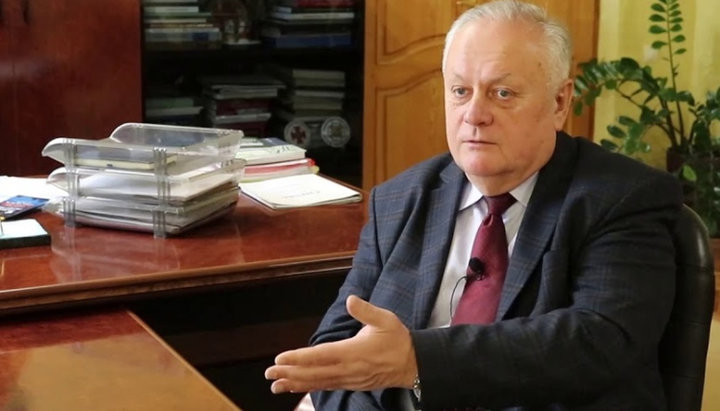
The mayor of Rivne V. Khomko with the head of the OCU Epiphany Dumenko. Photo: radiotrek.rv.ua
Rivne Mayor Vladimir Khomko issued an order according to which the UGCC and OCU will receive UAH 500,000 from the city budget. The document was published on the website of the Rivne City Council.
In August 2020, Khomko allocated 100 thousand hryvnia from the budget only for the UGCC. On September 25, he issued a new order that increased the amount of expenses to half a million hryvnia.
In addition to Greek Catholics, another UAH 400 thousand will go to the churches of the OCU. The UOC is not mentioned in the document.
As the UOJ reported, in the Rivne region, there was consecrated a UOC temple, built by believers to replace the seized OCU.
Read also
Upper Lavra court hearing postponed
The next court hearing in the Upper Lavra case has been scheduled for November 3.
UOC priest blesses ambulances at Kamianske medical center
A UOC priest in Kamianske blessed ambulances for a medical facility and wished its doctors God's help in their work.
Dumenko to German ambassador: Law targeting UOC also applies to other groups
Epifaniy Dumenko sought to defend Ukraine’s law restricting religious organizations during a meeting with the German ambassador.
Activists bused to court hearings in UOC cases, media say
A minibus has been spotted transporting protesters to and from courthouses where UOC cases are being heard.
Firefighters save historic UOC church from fire in Zakarpattia
A fire broke out at a UOC church in the Tiachiv district, damaging the altar and church furnishings.
Volyn Eparchy faithful collect six tons of aid for Sviatohirsk Lavra
Believers in Volyn collected food and warm clothing for people displaced by the war who have found shelter at Sviatohirsk Lavra.