UN monitoring persecution of UOC believers in Nosivka
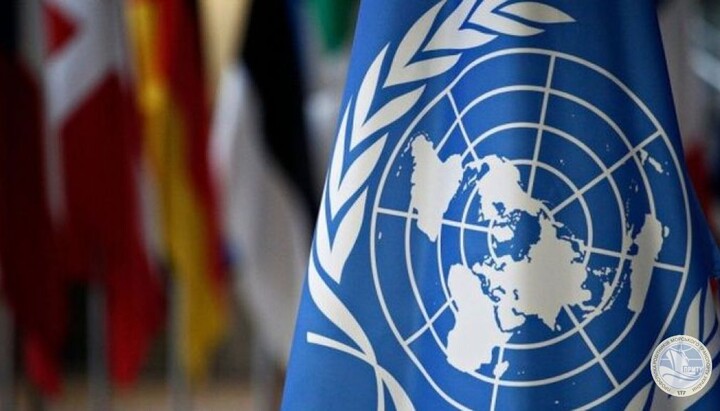
The UN flag. Photo: ipress
The Nizhyn Eparchy provided detailed information about crimes against the parishioners of the Holy Trinity Church in Nosivka and human rights violations on religious grounds to the Office of the UN High Commissioner for Human Rights. According to the eparchy's Telegram channel, the UN Office was informed about the assault on UOC believers by supporters of the OCU, involving the "clergy" of this denomination, as well as the inaction of the local law enforcement agencies.
The eparchy's press service claims that representatives of the UN intend to monitor the progress of the investigation into the documented crimes with the aim of including facts of human rights violations on religious grounds in the report of the UN High Commissioner for Human Rights.
As a reminder, on the night of October 2, unknown persons raided the UOC church in Nosivka.
As reported, a supporter of the OCU in camouflage assaulted a UOC parishioner.
Read also
Volodymyr-Volynskyi Eparchy marks 30 years since restoration
The Pantanassa Icon and relics of Prince Volodymyr have arrived in Kovel and will visit churches across the Volodymyr-Volynskyi Eparchy to mark the 30th anniversary of the restoration of the episcopal see.
Bukovyna faithful bring humanitarian aid to Kherson region residents
The UOC’s Chernivtsi Eparchy delivered food to Holy Spirit Cathedral in Kherson.
Ukraine must have its own faith: Poroshenko's party lays out peace terms
Poroshenko’s party European Solidarity described church policy as a matter of national sovereignty and said there can be no compromises in this area.
432 UOC churches damaged in Ukraine during war, report says
According to the Religion on Fire project, 807 religious buildings in Ukraine have been damaged or destroyed as a result of hostilities.
DESS official gives number of clergy exempt from mobilization in Ukraine
A DESS representative said the actual number of clergy exempt from mobilization is significantly lower than the number of religious organizations designated as critical.
Cabinet keeps gas prices unchanged for religious organizations
The Cabinet has fixed gas prices for religious organizations through the end of the 2026–2027 heating season.