ROC announces collection of evidence for canonization of John (Krestyankin)
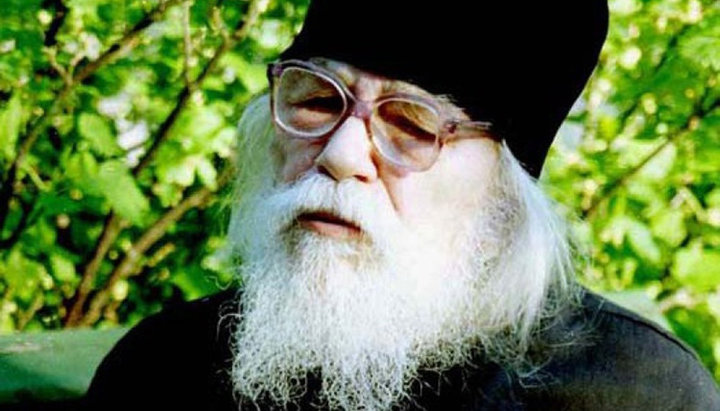
Archimandrite John (Krestyankin). Photo: priest.today
Bishop of the Russian Orthodox Church, Metropolitan Tikhon (Shevkunov) of Pskov and Porkhov announced the collection of materials, documents, and testimonies for the glorification of Archimandrite John (Krestyankin) as a saint. The hierarch said this in a sermon on the feast of the Synaxis of New Martyrs and Confessors of the Russian Church on February 7, 2021, reports the press service of the Pskov Caves Monastery on the Instagram page.
As Met. Tikhon notes, many of those who knew Fr. John, who reposed 15 years ago, are themselves passing on, thus it is time to begin collecting testimonies about his miraculous intercessions and teachings.
“This is the legacy that we are called to present to ours and future generations. To those whom God will grant, they will arrange and perform the glorification of Fr. John, who is among the saints. We pray for this, we entreat it from the Lord, and we leave our hopes and prayers with the all-good and all-perfect will of God,” said Met. Tikhon.
Archimandrite John (Krestyankin) was one of the most revered elders of the Russian Orthodox Church in the late 20th – early 21st centuries.
Born on April 11, 1910, in the city of Oryol in a large family. The boy was named after John the Hermit, whose memory is celebrated on this day. Since childhood, he went to church, was in obedience to Archbishop Seraphim (Ostroumov) of Oryol (canonized in 2001). In 1945, in a church at the Vagankovskoye Cemetery in Moscow, he was ordained a deacon, then Patriarch Alexy I ordained him a priest in the Izmailovsky Church of the Nativity of Christ. Here he served until 1950 when the authorities arrested him on charges of anti-Soviet campaigning and sent him to prison camps for seven years.
Fr John was eligible for parole in 1955. After his release, he was sent to serve in the Pskov Diocese, then transferred to the Ryazan Diocese. In 1966, Fr John became a monk, and in 1967 he resided at the Holy Dormition Pskov Caves Monastery, where he asceticised until his death on February 5, 2006.
In recent years, due to age and illness, Fr John did not have the opportunity to receive those wishing to talk with him, however, numerous letters continued to come to the address of the monastery, and the archimandrite personally answered many of them. Several editions of the Letters of Archimandrite John (Krestyankin) were published. Also widely known were the publications of his sermons and other books, including ‘The Experience of Building a Confession’.
Earlier, Metropolitan Tikhon (Shevkunov) assumed that one of the prophecies of Elder John (Krestyankin) referred to the coronavirus.
Read also
Zelensky says 9.5M Ukrainians expected to return home from abroad
Zelensky stated that 9.5 million Ukrainians who left abroad are expected to return home to rebuild the country.
German theologian criticizes Ukrainian authorities' pressure on UOC
German theologian Regina Elsner has said that pressure from the authorities on the Ukrainian Orthodox Church places an additional heavy burden on believers during the war.
Poland bans entry to Lviv official over SS Galicia and UPA glorification
Polish Foreign Minister initiates entry ban on Lviv Regional Council deputy who proposed declaring 2027 the Year of the UPA.
OCU award winners stage provocations at UOC court hearings, media report
Rallies outside courts hearing UOC cases are organized by activists who received awards from Dumenko.
Khust Eparchy priest who shot people in Vyshkovo banned from ministry
The Khust Eparchy of the UOC has notified police that it has banned from ministry a priest suspected of killing three people in Vyshkovo, Transcarpathia.
Metropolitan Onuphry congratulates Georgia on 1,700 years of Christianity
The Primate of the UOC sent a message to Patriarch Shio III on the anniversary of Christianity becoming the state religion in Georgia.