Google Trends: 19 Jan "Theophany" – the most popular search query on the Net
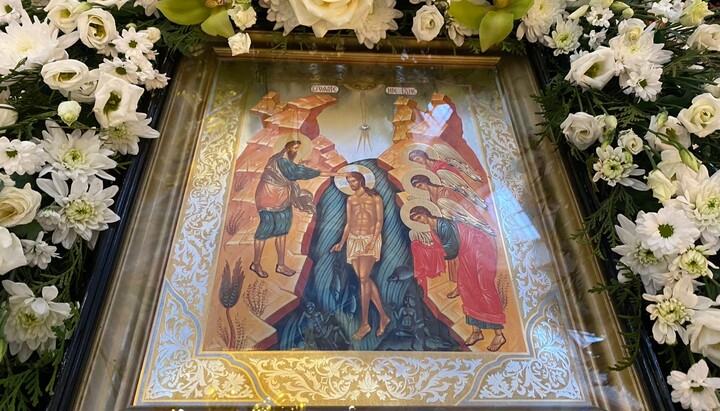
The Baptism Icon. Photo: open sources
On January 18th and 19th, the most popular search query on the Internet was "Happy Theophany", according to the Google Trends service. This number exceeded 50,000. Similar queries are also popular: “Happy Theophany”, “Theophany 2024”, “Theophany”, “Theophany Eve”, “19 January feast”, and “Theophany”.
Meanwhile, on 6-7 January (6 January is Theophany according to the new style), the query "Theophany" was not among the leaders. The query "Хрещення" (Ukr) ("Theophany") was in 12th place with a number around 2,000. Instead, words like "Christmas", “Nativity of Christ”, "A new joy has come", etc., were far ahead.
As a reminder, in 2024 only the UOC celebrates Theophany on January 19, according to the Julian calendar. The OCU and UGCC celebrated it on January 6.
As reported, the Internet showed how “news-style” Ukrainians are confused about the dates of holidays.
Read also
Medieval сhurch сrumbles as Culture Ministry сites missing agreement
The 14th–15th-century St. Nicholas Church in Chesnyky, Ivano-Frankivsk Region, is falling into disrepair.
Poland сondemns Lviv Regional Council's decision to declare 2007 year of UPA
Polish Prime Minister Donald Tusk says the Lviv Regional Council's decision to dedicate 2027 to the UPA and Roman Shukhevych is harmful to Ukraine.
OCU seeks court recognition of ownership of seized Cherkasy cathedral
The Cherkasy Regional Commercial Court will hear an OCU lawsuit seeking ownership of St. Michael's Cathedral, which was seized from UOC believers.
Lithuanian bishop: Ukraine is no model for believers' rights
Vicar of Vilnius Diocese voices concern over attempts to import Ukraine's religious conflict into Lithuania.
Hundreds of believers honor St. Alexis of Carpatho-Russia in Khust Eparchy
At the St. Nicholas Monastery in the village of Iza-Karputlash, Metropolitan Mark of Khust led a festive liturgy, concelebrated by six metropolitans, five archbishops and three bishops.
Court upholds UOC parish appeal in Voloshky over OCU switch dispute
The Northern Commercial Court of Appeal has upheld the appeal of the St. Nicholas parish of the UOC in the village of Voloshky, Volyn region, in a dispute over a transfer to the OCU.