Cabinet okays a procedure for checking religious communities' ties with ROC
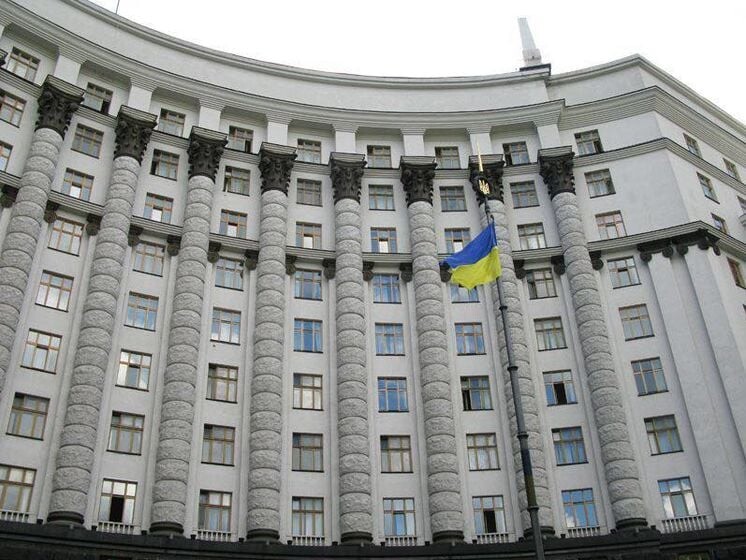
Cabinet of Ministers. Photo: Gordon
The Cabinet of Ministers of Ukraine has approved a protocol regulating the procedure for checking religious organizations for possible ties with the Russian Orthodox Church (ROC). This was reported by Member of Parliament Oleksii Honcharenko.
The decision was initiated by the State Service for Ethnopolitics and Freedom of Conscience (DESS). It is related to the implementation of a law that prohibits the activities of religious organizations connected with Russia, which came into force on September 23.
According to this law, the government is required to develop bylaws, and starting from June 23, 2025, the State Service for Ethnopolitics and Freedom of Conscience will have the authority to file lawsuits in court to terminate the activities of religious organizations if their connection with the ROC is established.
As reported by the UOJ, DESS had earlier initiated a nationwide audit of the property of the Ukrainian Orthodox Church (UOC).
Read also
UOC church seized in 2022 to be handed to nonexistent OCU parish in Kalush
The head of Kalush's Department of Culture has announced the authorities' intention to hand the seized UOC church over to an unregistered OCU community.
Norwegian Council of Churches briefs UCCRO on defence against possible aggression
Scandinavian religious leaders stressed the importance of Ukrainian military experience for Norway as it prepares for possible aggression.
Court hearings in case on Kyiv Metropolia liquidation postponed
The court hearing in the Kyiv Metropolia case has been postponed indefinitely due to the consideration of an appeal in the Supreme Court.
Activist outside courthouse: Ukrainians dream of beheading UOC hierarchs
The organizer of provocations against believers and clergy recorded a video about every Ukrainian’s dream.
Conference dedicated to Orthodox family held in Odesa Eparchy
In Odesa, conference participants discussed the spiritual and moral foundations of the family and developed a program for a practical course and family projects.
OCU explains why folklore events should be held in church, not in culture house
OCU representatives in Cherkasy explained why they held a concert and a talk about wedding traditions in the seized cathedral.