Pope grants remote absolution to all who watched his address
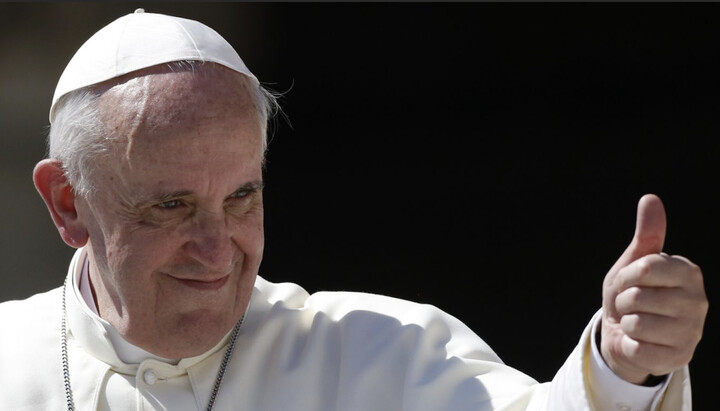
Pope Francis. Photo: sigmalive.com
On December 25, 2024, Pope Francis, in his Christmas message, called for peace and granted remote absolution to everyone who watched his address.
The Pope delivered his traditional Christmas message to the world, highlighting the importance of reconciliation and the cessation of conflicts.
At the conclusion of his address, Francis granted an indulgence to all who followed his message via television, radio, the internet, or joined him spiritually.
Cardinal Angelo De Donatis announced this moment by reading the formula of absolution:
“Holy Father Francis, addressing all present believers and those who receive his blessing through radio, television, and other communication technologies, grants a plenary indulgence in the form established by the Church.”
Previously, it was reported that Pope Francis had granted full indulgences to the elderly.
Read also
Catholic media outraged by forcible conscription of Uniate cleric
The Vatican’s Apostolic Nunciature has demanded the return of a forcibly mobilized Greek Catholic cleric.
Rivne court fines man for criticizing parish's "transfer" to OCU
A resident of the Rivne region was convicted over Facebook posts criticizing the “transfer” of a religious community in the village of Butove to the OCU.
Novynskyi: I quoted the Gospel to Zelensky on first day of war
The former Ukrainian MP said he advised Davyd Arakhamia to begin negotiations with Russia in the first days of the full-scale war and later spoke with Volodymyr Zelensky.
Sumy Eparchy venerates miraculous Korsun-Shpylivka Theotokos Icon
Celebrations honoring the Mother of God’s icon known as the “Restorer of Sight” were held at Sumy Cathedral and concluded with a car procession around the city.
Receding Dniester in Khmelnytskyi region exposes foundation of flooded church
The foundation of St. John the Theologian Church, submerged during the construction of a hydroelectric power plant, has resurfaced for the first time in 45 years.
Medieval сhurch сrumbles as Culture Ministry сites missing agreement
The 14th–15th-century St. Nicholas Church in Chesnyky, Ivano-Frankivsk Region, is falling into disrepair.