UOC cleric: Those who signed for OCU never go to temples – they stand empty
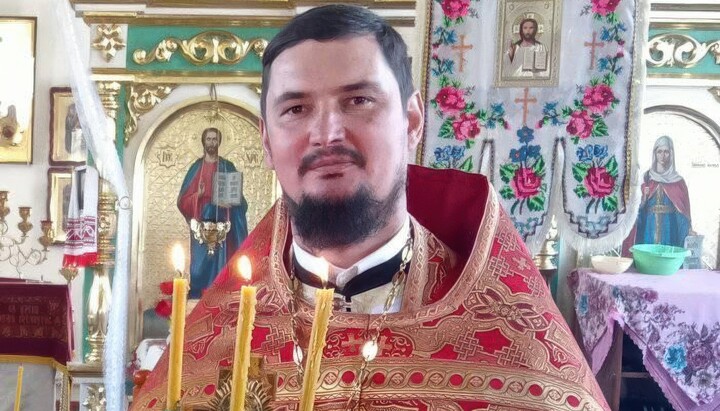
Priest Rostyslav Khrubchyk. Photo: Khrubchyk's Facebook
Ukrainian Orthodox Church (UOC) cleric Rostyslav Khrubchyk stated in an interview with the YouTube channel Viche that there are widespread cases of UOC church takeovers, after which the buildings remain empty. According to him, formal community meetings are often held with the participation of people who later do not attend services, while UOC priests and believers face persecution.
"I know of cases—this is 100% verified information – where signatures are simply collected. The law allows practically anyone to be considered a member of the community. With a certain number of signatures, a person goes to the regional military administration, re-registers the community from the UOC to the OCU. Then, with the transition documents, they come and take the church. After that, the church stands empty or half-empty. In other words, the community that voted for the transition for some reason does not attend the church," the priest noted.
He cited a specific example involving his friend, Father Yuriy Zarafudinov. "Father Yuriy has been actively volunteering since 2014, constantly going to the front and helping defenders. In 2023, he volunteered to go to the front. It is simply impossible to suspect him of any pro-Russian sympathies," Khrubchyk emphasized.
According to him, while Father Yuriy was fighting on the front lines, the OCU community "seized" his church, despite there already being an existing OCU church in the village. "As of today, one OCU priest in that village serves either in one church or the other. Essentially, one of the churches remains closed," the priest explained.
The clergyman also spoke about cases of voluntary church transfers to the OCU, after which UOC believers still face harassment. "When a priest and the community voluntarily hand over the church to the OCU because they are the majority, there is hope for a painless separation: 'You go there, we'll find a place somewhere else.' But the UOC priest and believers are simply not allowed to live—they take away everything they can, meet them on the street, spit on them, insult them. And this is despite the fact that the priest cannot be called pro-Russian in any way," Khrubchyk reported.
In the opinion of the UOC cleric, such situations only deepen the division between the churches. "The question arises: how can you unite parishes that have experienced this pain, this conflict? These are huge scandals in the villages, and people are left with that wound. How many years must pass for that wound to heal?" the priest wondered.
He shared that in 2022, he proposed to the State Service of Ukraine on Ethnic Policy and Freedom of Conscience (GESS) to create a commission that would go to conflict sites and resolve the problems, but his proposal was rejected. "This could have helped prevent further division," the priest believes.
Earlier, the UOJ reported that, according to Priest Rostyslav Khrubchyk, the OCU is turning into "ROC 2.0" in its relations with the authorities.
Read also
UOC Chancellor on OCU formation report: pressure, fear and suspicion
Metropolitan Anthony says the atmosphere of December 2018 described in the Phanar cleric’s report was the complete opposite of the love and freedom in which the Holy Spirit works.
Ukraine petition calls for Bible reading in schools and kindergartens
A new petition proposes annual Bible reading in educational institutions as a way to foster discipline and morality among young people.
Lawyer speaks out about pastor who “blesses” TRC officers
A lawyer pointed to what he called the double standards of a pastor who wishes TRC officers success in “catching lots of draft dodgers” while his own sons and sons-in-law are in the United States.
All Local Churches should know how OCU was created, says UOC Chancellor
Metropolitan Anthony urged the Local Churches to read the report on the 2018 “council” and begin an open pan-Orthodox discussion.
UOC eparchies organize charity meals
The Oleksandriia and Kamianske eparchies organized charity meals for people in need and military personnel.
Activist targeting UOC lawyers wears clothing with Nazi symbols
Davyd Pshenychnyi, a radical who opposes the UOC, was photographed wearing clothing by Svastone, a brand that describes itself as pagan.