How to find "your" parish? 6 tips from a priest
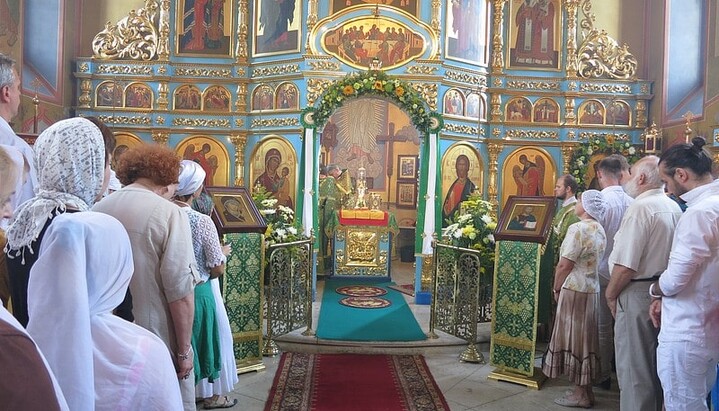
The true parish is a spiritual family. Photo: st-serafim
This question is much deeper than it may seem. After all, it is not just about where to attend services, but about choosing a spiritual home, a place where a person will grow, learn, pray, meet God, and change.
One can choose a church based on proximity to home, the beauty of its decor, the virtuosity of the choir, or the convenience of the schedule. There is nothing wrong with this, but all these are merely external signs. Of course, we are all different, and the criteria may vary. However, I would advise paying attention to the following guidelines.
1. Attitude towards Sacraments
This is one of the most telling aspects. Observe whether the majority of parishioners partake of Communion regularly, not just on major holidays. Behind this external sign lies something more important: how the church prepares for the Sacraments and what is said about them. Is there a living understanding of the purpose of the Liturgy as the sanctification of believers? Or, conversely, do the Sacraments become a formality: confession is merely a "pass" to Communion, and artificial barriers in the form of endless rules are placed on the path to the Chalice?
2. Homily
What is it about? About Christ, the Gospel, and spiritual life, or about politics, news, moralizing, and the personal views of the priest? The sermon is the heart of parish life, and it should be focused on the main thing.
3. Parish Life
Does a community exist as friendship and family? Is there a Sunday school, Gospel discussions for adults, joint acts of mercy in the church? Or do parishioners disperse immediately after the service, not knowing each other? A lively community is a sign of a healthy parish.
4. Attitude towards Rituals
How reasonably are rituals approached here? Do they (especially during holidays) replace the very essence of faith? Does the priest understand that all people are different and that the same measure cannot be applied to everyone in matters of fasting, prayer, and preparation for the Sacraments?
5. Communication with the Priest
What is it like? Does the priest have openness, respect for the interlocutor, the opportunity to ask a question? Or is dialogue impossible because the priest is always busy, speaks "from above," and does not hear other opinions?
6. Trust and Inner Responsiveness
In conclusion, I advise listening to your heart. Sometimes a parish is chosen logically: a convenient location, a beautiful service, everything is orderly, the priests are learned people, but for some reason, it feels emotionally cold. And sometimes, a church is simple, quiet, outwardly unremarkable, but inside it resonates with peace, joy, and a sense of home.
At the same time, one must also examine oneself: sometimes the initial dislike is a resistance of our pride, overcoming which can lead to discovering a true treasure.
Read also
The mystery of a heart turned to God
A pastoral response to one of the most painful questions believing parents face, reflecting on the difference between a personal encounter with God and growing up in a religious household.
The spiritual sensitivity of a living soul
A pastoral reflection on why witnessing wrongdoing causes spiritual pain – and what our response to the sins of others reveals about the state of our hearts.
Love is stronger than death
The loss of a loved one leaves a deep wound, but the Christian faith emphasizes the eternal nature of love. A conversation about the spiritual bond between spouses beyond the threshold of earthly life.
The true compass of the Christian life
St. Anthony the Great called discernment the highest virtue. The experience of the Desert Fathers shows that the path to spiritual sobriety lies through humility, seeking counsel, and overcoming the passions.
What is the essence of Christian spiritual feat?
Archpriest Vasily Kucher reflects on modern asceticism.
How can one find their purpose in life?
Archpriest Vasiliy Kucher addresses the question of life’s purpose and God-given calling.