The mystery of a heart turned to God
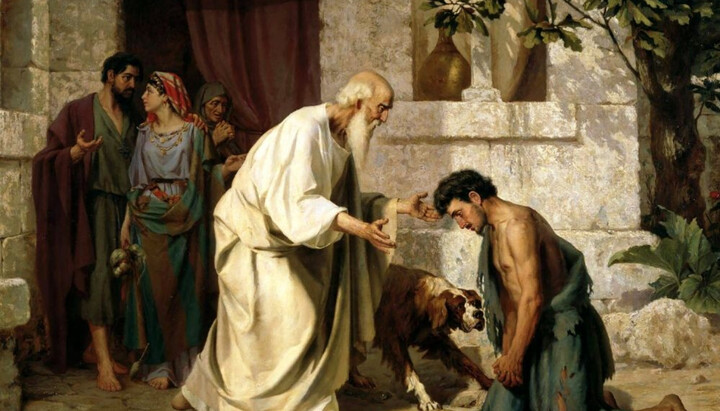
A pastoral response to one of the most painful questions believing parents face, reflecting on the difference between a personal encounter with God and growing up in a religious household.
Svitlana Samoilova asks:
Why can a criminal repent and become a saint, while someone raised in a devout family grows up and leaves the Church?
Archpriest Vasyl Kucher responds:
This is perhaps one of the most painful questions of all. And it is usually asked by people who have experienced it in their own families.
First of all, there is nothing new about this. Think of the parable of the Prodigal Son. One son left home, squandered everything, and eventually returned. The other had spent his entire life at his father's side, yet in the end found himself standing outside the door, bitterly arguing with his father.
Notice that the older son never left. He was simply there, close to his father, but without anything reaching his heart. And that is where the difference lies.
The thing is, faith is not something you inherit like a last name or an apartment. Faith is a personal encounter with God. Unfortunately, a child who grows up in the Church often inherits not that encounter, but a way of life – its routines, habits, and rules. He knows how to stand during services, when to make the sign of the cross, what is permitted and what is forbidden. The problem is that religious routines without a personal encounter with God eventually become little more than burdensome habits, something one naturally wants to break free from.
Paradoxically, the criminal is in a better position in this respect. He sees the truth about himself, with nothing to hide behind. And when God finds him, he experiences it as an act of mercy.
But someone who has “done everything right” since childhood may feel that he has nothing to repent of. That is precisely why Christ's words that tax collectors and prostitutes are entering the Kingdom of God ahead of others (Matthew 21:31) were addressed to people who considered themselves devout and righteous.
There is another reason, simpler but even more painful.
Children do not necessarily turn away from God. They turn away from what they have seen at home. If there was prayer in the family but no forgiveness, if rules were strictly enforced but the people closest to them went unnoticed, a child draws a perfectly understandable conclusion: this is not for me.
But I would not be too quick to give up on such a child. Even if he leaves, that does not necessarily mean the story is over.
The Prodigal Son left home first, too. But his father did not run after him or lecture him. He simply waited, looking down the road every day.
So if this has happened in your family, remember: you know the father from the parable. And in that situation, he did exactly two things – he waited, and he loved.
God did the rest.