Fasting is not a dogma: how to fast with discernment
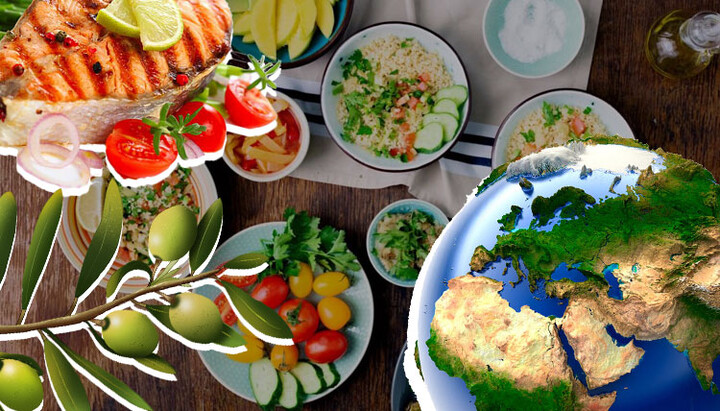
One of the most important factors influencing diet is climate. Photo: UOJ
The rules of modern fasting, as prescribed in the Typikon, are often difficult to apply to our current lives. It’s not just that these rules originated in a monastic context, but also that they were shaped in a different climate and under a very different dietary system. So what should one do – ignore the Typikon or blindly follow the fasting rules of 5th-century Palestinian monks?
Perhaps the right answer is to acknowledge this: fasting is not a dogma, but a living and flexible tool of spiritual life.
It has always taken different forms – depending on the era, climate, and specific circumstances.
Climate and diet: lessons from the saints
Climate is one of the most significant factors affecting nutrition. Our fasting rules were developed in the Mediterranean, and the Holy Fathers understood this perfectly.
For example, St. John Cassian the Roman, transmitting the Egyptian monastic experience to the West, clearly noted that not all rules could be applied to monks in Gaul due to the “harshness of the air.” And he was talking about Marseille and Nice!
St. John Chrysostom, while in exile in the subtropical region of present-day Abkhazia, wrote that the monasteries he founded required adjustments to the Typikon due to the harsher climate.
What would these Fathers say about our northern latitudes? In cold climates, the human body requires more calories and protein. Ignoring that reality can harm one’s health.
Food prices and the purpose of fasting
Climate also affects other aspects – the nutritional value and cost of food. St. Ignatius (Brianchaninov) wrote: “The fruits and vegetables of Constantinople and Athos are equal in nutritional value to the fish of the northern regions, and even surpass it.”
He emphasized that even within the same country, different fasting practices may be appropriate. This is confirmed by missionary experience: when nomadic peoples were baptized, they were allowed to consume dairy during fasts because it was the foundation of their diet.
The Holy Fathers often emphasized that Lenten food should be simple, inexpensive, and quick to prepare. The goal is not to spend time and money on meals, but to free up resources for charity, prayer, and service to others.
Now think how much we pay today for fruit, nuts, olives, and seafood – cheap and common in the Mediterranean world where the Typikon originated, but expensive luxury items for us.
In antiquity, meat and cheese were costly, while plant-based foods were most accessible. That’s how the hierarchy of Lenten foods was originally formed.
The experience of other Christian traditions
We also find a reasonable, discerning approach to fasting in other Christian traditions. The Latin (Catholic) tradition is particularly noteworthy.
The Code of Canon Law distinguishes between two types of fasting: fasting (limiting the number of meals) and abstinence (refraining from meat). A helpful part of their practice is the personal vow, in which the believer chooses a specific commitment for the fasting period – for example, reducing entertainment or increasing works of mercy.
We often dismiss the experience of the West, yet in matters of physical discipline they sometimes show greater consistency – in fact, fulfilling the 69th Apostolic Canon, which emphasizes the importance of fasting but does not prescribe its precise form.
To understand, not blindly copy
St. John Cassian wrote: “Fasts should be observed according to circumstances, place, and time, because they are beneficial when they are in harmony with the circumstances, and harmful when they are not.”
From the earliest times, the Church has recognized the possibility of reasonable differences in fasting practices. Each Local Church, each eparchy, and even each family – as a “little Church” – may develop its own fasting tradition.
Fasting rules are not meant to be memorized and rigidly repeated. They are meant to be understood and wisely applied to one’s life.
Read also
Facade of bones and facade of light
Antoni Gaudí spent forty-three years building a church in Barcelona, knowing that this construction was for the ages.
Trial of a dead pope
Once in Rome, the body of a deceased pope was seated on the throne and put on trial. The accusation relied on a church canon that had once saved his see.
Monastery built in defiance of king
When Orthodox believers in Minsk were left with just one church, townspeople decided to build another – and even a royal decree did not stop them.
Young Mother and Sleeping Christ
Michelangelo carved a Virgin Mary who looks younger than her Son – and signed his name in marble for the only time in his life. Neither of these peculiarities was accidental.
Orthodox books from a Uniate printing press
In the 18th century, Uniate monks at Pochaiv printed books used in prayer by Orthodox Christians and Old Believers alike.
The story of the honey brotherhood
The Mogilev Brotherhood began with members pooling money to brew honey drinks for feast days – and eventually grew to have its own printing press.