Dumenko urges to direct rage and hatred into works of mercy
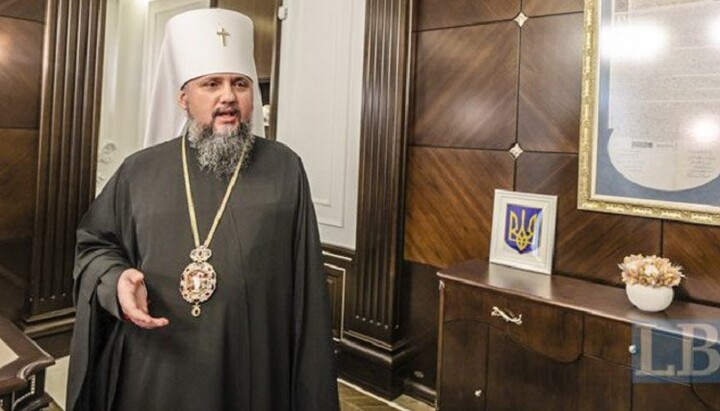
The head of the OCU Sergei (Epifaniy) Dumenko in an interview with the lb.ua website urged to channel the energy of hatred and anger in the right direction.
He said that in fact raging hatred towards the enemy is a natural phenomenon, but it should not be accumulated, "because it can destroy us internally, destroy us spiritually."
"We must channel this rage and hatred into good things that will help us win," Dumenko believes. “Direct it into good and useful deeds, relying on God's will, because if we do not keep this hatred inside but rather try to do good and useful deeds, works of mercy, we will feel relief, we will feel further support of God.
As reported, the head of the OCU said that it is not a sin to kill the invaders.
Read also
UCCRO concerned over damage to Vvedensky monastery by Russian shelling
UCCRO members have expressed concern over the fate of the Vvedensky Monastery, damaged during a nighttime shelling of Kyiv.
KDAiS vice-rector addresses Conference of European Churches in Prague
Vice-Rector of the Kyiv Theological Academy and Seminary Volodymyr Bureha spoke at an assembly attended by theologians, politicians and representatives of Christian denominations of Europe.
Phanar archon publishes fake associating convicted OCU "bishop" with UOC
In a European Diplomat article, Miceál O’Hurley passes off convicted OCU "bishop" Kyrylo Mykhailiuk as a UOC hierarch.
UCCRO slams peace initiatives by "certain Western countries" on Ukraine
UCCRO members urged the West to tighten sanctions against Russia and stop trying to appease the aggressor.
Ukraine's Justice Ministry to introduce chaplain posts in prisons
Ukraine's Ministry of Justice and the State Criminal Executive Service agreed to create a working group to launch a pilot project on chaplaincy service in prisons.
TRC abducts UOC church rector in Kyrdany village
TThe Territorial Recruitment Center (TRC) promised to release a UOC priest after checking his documents but instead the clergyman was sent to a military unit.