Church's ministry in Polish-Lithuanian Commonwealth: surviving despite persecutions
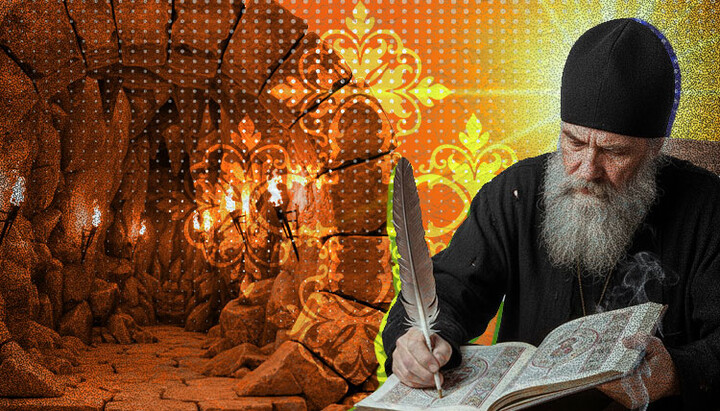
The Orthodox Church, developing charitable initiatives, combined them with the protection of faith. Photo:UOJ
The Lithuanian-Polish period, from the Union of Krewo in 1385 to the partitions of the Polish-Lithuanian Commonwealth at the end of the 18th century, was a time of severe trials for the Orthodox Church in the lands of present-day Ukraine and Belarus. The Grand Duchy of Lithuania, and later the Polish-Lithuanian Commonwealth, was a multi-confessional state where Orthodox Christians constituted a significant part of the population. However, after the baptism of Lithuania into Catholicism (1387) and especially after the Union of Brest (1596), they faced increasing pressure.
Challenges related to Catholicization and the Union
The Union of Brest in 1596 led to a deep division in the hierarchy and brutal persecution of those who remained faithful to Orthodoxy. Royal decrees prohibited Orthodox Christians from having their own churches, and the clergy were forced into hiding.
The Uniates, supported by the authorities, seized Orthodox churches, monasteries, and schools, with the clergy and believers often subjected to violence and beatings.
Discrimination also manifested at the legislative level: for example, starting in 1667, the Sejms exempted only Catholics from military duties
Social service as a form of resistance
In the 16th–18th centuries, the Orthodox Church, developing charitable initiatives, combined them with faith protection. Monasteries and parishes continued to maintain shelters, hospitals, and distribute aid to the poor, especially in large cities such as Vilno (Vilnius) and Lviv. For example, the Holy Spirit Monastery in Vilno, operating since the 16th century, despite confiscations, provided assistance to victims of persecution, as well as orphans and widows.
In the 18th century, under the influence of Enlightenment ideas, the Church promoted education for peasants, although the nobility often resisted this, fearing unrest.
Economic crises caused by the wars of the mid-17th to early 18th centuries depleted resources, but the Church's service contributed to the unity of the Orthodox community.
The role of Orthodox brotherhoods
The Orthodox brotherhoods – lay organizations established at churches in the 16th century – played a key role in resisting Catholicization and the Union. Their goal was the defense of the faith, education, and charity
Engaging in publishing, they printed prayer books, Psalters, grammars, and polemical works such as "Slavic Grammar" by Lavrentiy Zizaniy. The Vilno printing house surpassed other centers in the volume of Cyrillic literature, although King Sigismund III banned and burned such books. Brotherhoods opened schools where they taught Greek, Slavic languages, and theology, successfully competing with Jesuit colleges. Thanks to the support of patrons like Prince Konstanty Ostrogski, churches and those suffering from persecution received assistance.
Brotherhoods actively resisted the Union: they participated in Orthodox councils, published anti-Uniate texts, contributed to the revival of religious culture, and the preservation of Orthodox identity.
Conclusion
During the Lithuanian-Polish period, the Orthodox Church experienced the most challenging pages of its history. However, systematic persecution, confiscations, and violence could not destroy its social ministry. On the contrary, it became a tool for survival and unity. Through monasteries, parishes, and especially brotherhoods, the Church not only defended the faith but also shaped the social fabric: from helping the poor to educating the laity.
This era reminds us that faith, even when persecuted, becomes a quiet yet steadfast support when it remains true to the Gospel.
It helps people stay together, resist pressure, and preserve their culture. Even when hierarchs and clergy, experiencing persecution, cannot act openly, ordinary laypeople take on a special role, carrying the light of faith and building bridges of mercy.
Read also
Facade of bones and facade of light
Antoni Gaudí spent forty-three years building a church in Barcelona, knowing that this construction was for the ages.
Trial of a dead pope
Once in Rome, the body of a deceased pope was seated on the throne and put on trial. The accusation relied on a church canon that had once saved his see.
Monastery built in defiance of king
When Orthodox believers in Minsk were left with just one church, townspeople decided to build another – and even a royal decree did not stop them.
Young Mother and Sleeping Christ
Michelangelo carved a Virgin Mary who looks younger than her Son – and signed his name in marble for the only time in his life. Neither of these peculiarities was accidental.
Orthodox books from a Uniate printing press
In the 18th century, Uniate monks at Pochaiv printed books used in prayer by Orthodox Christians and Old Believers alike.
The story of the honey brotherhood
The Mogilev Brotherhood began with members pooling money to brew honey drinks for feast days – and eventually grew to have its own printing press.