Serbian priest warns against contacting the deceased
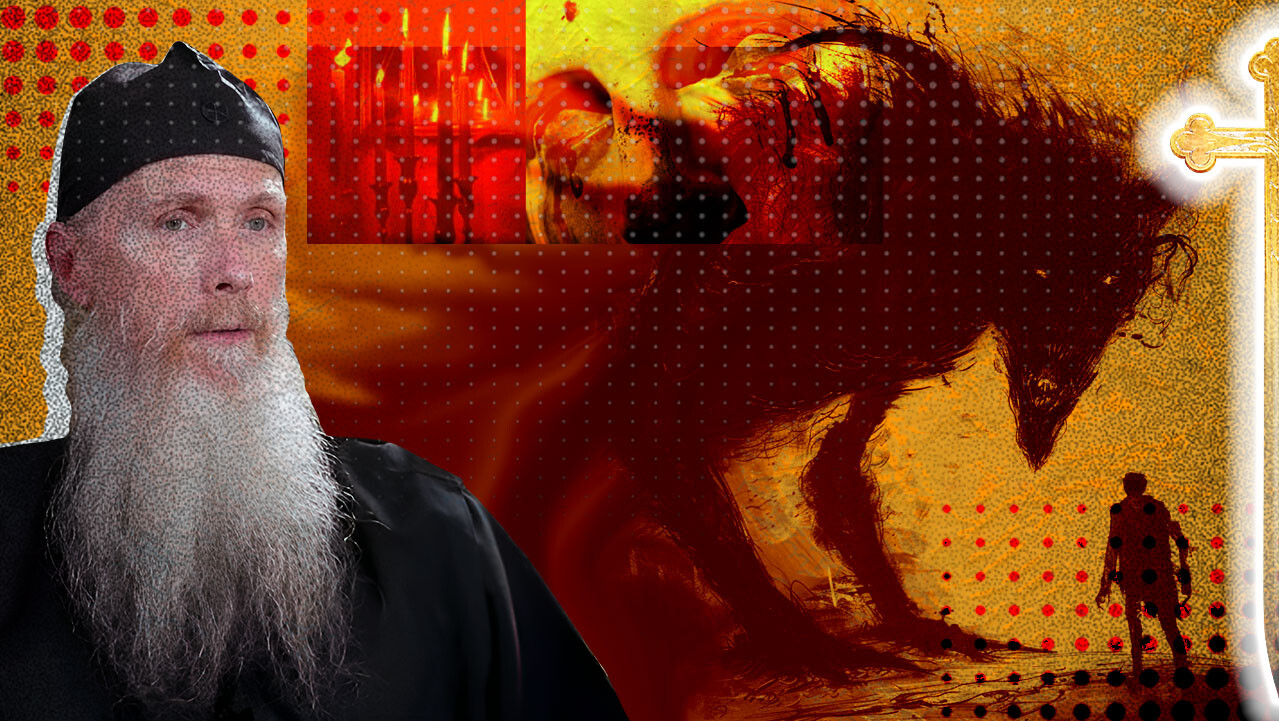
Hegumen Arsenije of the Ribnica Monastery. Photo: UOJ
Hegumen of the Serbian monastery Ribnica, Archimandrite Arsenije (Jovanović), in his sermon, warned believers about a new dangerous fascination with occult sessions with so-called "consultants" who allegedly help communicate with the deceased, reports the UOJ in Serbia. The priest explained that Orthodox Christians do not have a "cult of the dead" because those who have passed away in Christ are alive, and such practices open the door to demonic influence.
"It was hard for me to see this on the Internet! People rush there and seek forgiveness for the sins of their ancestors in this way. They can even talk to a deceased person whom our ancestor offended. They can travel to all times," said Father Arsenije.
Orthodoxy does not have a "cult of the dead"
The hegumen emphasized the fundamental difference between the Orthodox attitude towards the deceased and pagan practices and occultism.
"Such things exist among the Japanese and Chinese. We do not have a cult of the dead; we know that they are alive. We must pray for them. They are now simply in a different state of being," explained the priest.
According to him, those who do not know God do not understand that the lives of the deceased are governed either by angels or demons.
"We can pray for the deceased so that God forgives their sins. Their sins cannot affect us. We are only responsible for our own sins. We must ask God for help if our ancestors have done something wrong. It is sad that people attend such sessions," noted Igumen Arsenije.
Demons in the guise of the deceased
Archimandrite Arsenije warned that during such occult sessions, demons possess the "consultants", creating the illusion of communication with the deceased.
"A demon takes over these people, and they fall into a state of hypnosis," explained the priest.
Father Arsenije emphasized that Orthodox Christians are in living communion with the deceased through prayer in the Church, not through occult practices.
"Our dead are alive; we are only temporarily separated. It is wonderful how our people remember their deceased, who are alive. It is good how we are connected with all our people who are temporarily not with us. Rather, we are temporarily not with them, but we will be, God willing," said Archimandrite Arsenije.
On the consumption of the soul and the body
In his conversation, Archimandrite Arsenije also touched upon the topic of "consumption" of a person when a person wastes themselves on passions and sins.
He gave the example of a wealthy man who did not work much in life and spoke of "worn-out people," referring to those who worked physically hard.
"The body will go to worms anyway; what matters is whether a person's soul is worn out. Why is this? Why preserve the body to enjoy one's passions and sins even in old age? Of course, it is best if we preserve both the body and the soul, and worst of all when both teh soul and the body are consumed," explained the priest.
According to Father Arsenije, when a person lives in a Christian way, outside of sin, the body is preserved.
"One must eat and drink moderately but love God immeasurably and unconditionally. Even if the body is worn out, it is important to preserve the soul," concluded the hegumen.
Earlier, the UOJ wrote that "DogmaHacker" explained how to recognize occultists in the church.
Read also
Lithuanian bishop: Ukraine is no model for believers' rights
Vicar of Vilnius Diocese voices concern over attempts to import Ukraine's religious conflict into Lithuania.
Hundreds of believers honor St. Alexis of Carpatho-Russia in Khust Eparchy
At the St. Nicholas Monastery in the village of Iza-Karputlash, Metropolitan Mark of Khust led a festive liturgy, concelebrated by six metropolitans, five archbishops and three bishops.
Court upholds UOC parish appeal in Voloshky over OCU switch dispute
The Northern Commercial Court of Appeal has upheld the appeal of the St. Nicholas parish of the UOC in the village of Voloshky, Volyn region, in a dispute over a transfer to the OCU.
Zelensky says 9.5M Ukrainians expected to return home from abroad
Zelensky stated that 9.5 million Ukrainians who left abroad are expected to return home to rebuild the country.
German theologian criticizes Ukrainian authorities' pressure on UOC
German theologian Regina Elsner has said that pressure from the authorities on the Ukrainian Orthodox Church places an additional heavy burden on believers during the war.
Poland bans entry to Lviv official over SS Galicia and UPA glorification
Polish Foreign Minister initiates entry ban on Lviv Regional Council deputy who proposed declaring 2027 the Year of the UPA.