OCU raiders preparing provocation at Trinity Cathedral in Odesa
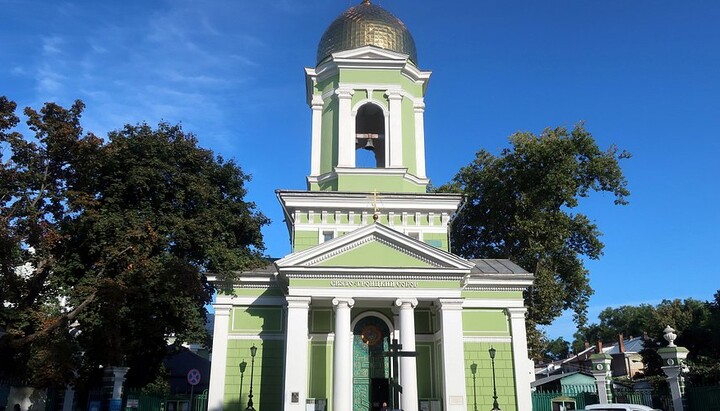
Trinity Cathedral of the UOC in Odesa. Photo: open sources
In Odesa, representatives of the OCU have registered a parallel legal entity at the address of the UOC’s Trinity Cathedral in preparation for a forcible seizure of the building.
Archpriest Maximian Pohorelovsky, a cleric of the Odesa Eparchy, said that the raider structure includes outsiders who have never been parishioners of the church.
According to the priest, the perpetrators deliberately intend to inflame ethnic and interconfessional hostility in the very center of the city.
The cleric called on believers to show maximum vigilance and mobilize informationally to defend the shrine in the event that the attackers begin active measures.
He also noted that the threat to Trinity Cathedral concerns every parishioner of the canonical Church in the city, since once one church is seized, other parishes will also come under threat.
Earlier, the UOJ reported that OCU supporters seized an ancient UOC church in Bezuhlivka, Chernihiv Region.
Read also
Yelensky complains courts are hearing hundreds of cases over OCU “transfers”
The head of DESS said courts in Vinnytsia region alone are hearing more than 100 lawsuits challenging the “transfer” of religious communities to the OCU.
OCU opens registration desk for "services" at Lavra
A former church shop at the UOC monastery takes prayer notes and registers visitors for OCU "services".
UOC delegation arrives in Georgia to mark 1,700 years of Christianity
Metropolitan Serhiy of Ternopil and Archbishop Iov of Shumsk concelebrated the Divine Liturgy with Patriarch Shio in Tbilisi.
Khmelnytskyi Eparchy donates 100,000 UAH for 15-year-old boy's treatment
A UOC eparchy has provided financial aid to seriously ill child.
Metropolitan Pavel leads festive service at Lavra skete
The abbot of the Kyiv-Pechersk Lavra celebrates solemn service at a capital church.
Pope urges safe grain export from Ukraine
The Pontiff called on the warring parties to ensure grain shipments through the Black Sea, on which the food supply of the poorest countries depends.