Human rights defenders: Kyiv persecutes believers for refusing to bear arms
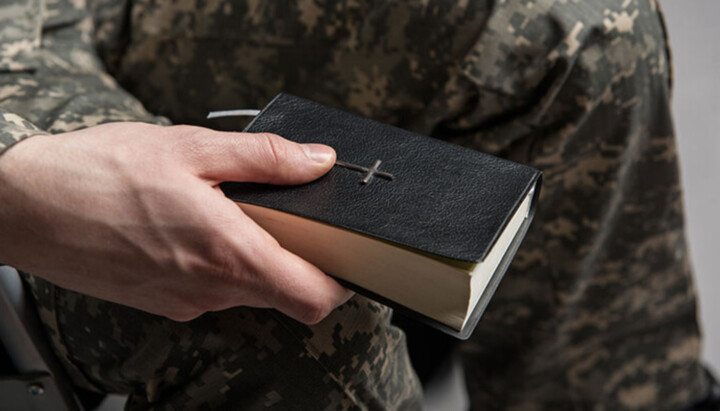
In Ukraine, citizens who refuse mobilization on religious grounds are being persecuted. Photo: Shutterstock
In Ukraine, the number of prison sentences for citizens who refuse mobilization on religious grounds has increased. The human rights organization Forum 18 has recorded a tightening of repression and the imposition of unprecedentedly long prison terms for believers who refuse to violate the commandment "thou shalt not kill".
The harshest sentence since the start of the conflict was handed down to 42-year-old Volodymyr Klementiev, whom a court sent to a penal colony for six years. Military conscription officers seized the man directly while he was working in a field and forcibly held him in a tent camp. Klementiev had not taken an oath or received weapons, yet he was found guilty simultaneously of "evading conscription" and "unauthorized abandonment of a military unit." Lawyers describe these charges as contradictory, since one article applies to civilians and the other only to career military personnel.
Human rights defenders sent requests to the General Prosecutor's Office of Ukraine demanding an explanation as to why believers are being tried under "military" articles for desertion if they are not officially soldiers. Experts also inquired why Kyiv is completely ignoring citizens' constitutional right to alternative civilian service, for example in hospitals.
Ukrainian authorities left these questions unanswered. Specialized defense prosecutor's offices in the Southern and Central regions also refused to provide explanations to human rights defenders.
The repression has affected members of various denominations. In the Chernihiv region, two Seventh-day Adventists, Andriy Skliar and Ihor Kiktev, were each sentenced to five years and one month in prison. Skliar directly told the command: "I cannot wear a military uniform and carry out orders that contradict God's Law."
In total, since the full-scale war began, Ukrainian courts have handed down 3,811 sentences in cases of evading mobilization. Human rights defenders report hundreds of believers awaiting trial in pre-trial detention centers or subjected to physical pressure in training centers. A case has been reported of the death of 50-year-old Baptist Dmytro Koval, whose body was returned to his family after detention with signs of ill-treatment.
The UOC clergy remains the most vulnerable group. Under church canons, clergy are not permitted to bear arms; however, as Yelensky stated, they are not provided with draft deferments in Ukraine.
Read also
Upper Lavra court hearing postponed
The next court hearing in the Upper Lavra case has been scheduled for November 3.
UOC priest blesses ambulances at Kamianske medical center
A UOC priest in Kamianske blessed ambulances for a medical facility and wished its doctors God's help in their work.
Dumenko to German ambassador: Law targeting UOC also applies to other groups
Epifaniy Dumenko sought to defend Ukraine’s law restricting religious organizations during a meeting with the German ambassador.
Activists bused to court hearings in UOC cases, media say
A minibus has been spotted transporting protesters to and from courthouses where UOC cases are being heard.
Firefighters save historic UOC church from fire in Zakarpattia
A fire broke out at a UOC church in the Tiachiv district, damaging the altar and church furnishings.
Volyn Eparchy faithful collect six tons of aid for Sviatohirsk Lavra
Believers in Volyn collected food and warm clothing for people displaced by the war who have found shelter at Sviatohirsk Lavra.