
Biblical Samaria joins UNESCO World Heritage List
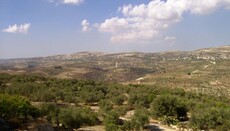
UNESCO has included the Palestinian village of Sebastia in the list of endangered sites.
The Palestinian village of Sebastia on the West Bank of the Jordan River, identified with biblical Samaria, has been added to the UNESCO World Heritage List despite sharp criticism from Israel, reports the UNESCO website.
The decision was made on July 24, 2026, at a session of the UNESCO World Heritage Committee in Busan, South Korea. Sebastia was inscribed on both the main list and the List of World Heritage in Danger, using an expedited procedure that is typically applied to sites affected by natural disasters or armed conflicts.
The organization explained the expedited procedure by noting that heritage sites around the world face numerous crises, including armed conflicts that pose serious threats to heritage. On the same day, five medieval castles in the Lebanese region of Jabal Amel also received endangered site status.
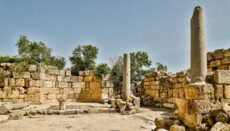
Israel called the decision politically motivated. The country's Ministry of Foreign Affairs accused the Palestinian delegation of unilaterally presenting the situation as an emergency and stated that the decision is aimed at erasing the Jewish and Christian history of Sebastia. The Palestinian side, on the contrary, called the inscription a reward for the village's residents, who had preserved the site despite restrictions for decades. According to UNESCO, the integrity of the site is threatened by a planned expropriation of land to create the "Samaria" national park, which could divide the heritage site's territory.
Sebastia has been inhabited for approximately three millennia and was in antiquity the capital of the Northern Kingdom of Israel. According to Christian and Muslim tradition, the tomb of John the Baptist is also located here. The Palestinian side first submitted an application for the site's inscription on the UNESCO list back in 2012.
As the UOJ reported, the Palestinian Ministry of Foreign Affairs condemned Israel's seizure of Jerusalem Church lands.