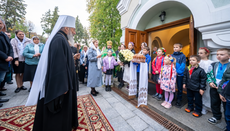

UOC bishop's invitation to medical center opening sparks controversy in Lviv
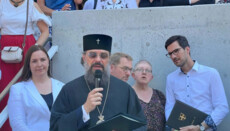
Representatives of the UGCC and OCU have demanded an investigation into the invitation of a UOC hierarch to the opening of a new rehabilitation facility.
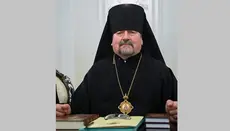
A major controversy has erupted in Lviv after Metropolitan Filaret of Lviv and Halych of the Ukrainian Orthodox Church attended the opening of a new rehabilitation building at the UNBROKEN center. Representatives of the Ukrainian Greek Catholic Church (UGCC) and the Orthodox Church of Ukraine (OCU) criticized Lviv Mayor Andriy Sadovyi for the hierarch's presence and called on the Security Service of Ukraine (SBU) to investigate the incident.
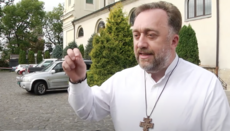
The metropolitan's participation prompted a sharp reaction from UGCC cleric Yustyn Boyko, who described it as "the triumph of the Moscow Patriarchate in Lviv" and "the mayor's public attempt to personally rehabilitate it."
"Andriy Ivanovych, holy things are not for sale!" Boyko addressed the mayor.
Boyko also called on the Security Service of Ukraine to investigate the Lviv City Council, as the main organizer of the event, for what he described as "betrayal of Ukraine's national interests."
He further urged city council deputies to immediately establish a special commission to investigate every aspect of the ceremony's organization and called on the mayor to publicly apologize to Ukrainian servicemen, military chaplains, and the people of Lviv for what he called his "moral insensitivity."
Attempting to defuse the backlash from nationalist circles, Sadovyi claimed that he had not invited the UOC representative, had not approved the guest list, and described the situation as "a very bad story."
In response, Boyko accused the mayor of hypocrisy, reminding him of his own words from June 2018: "Whenever something goes wrong in the city, I'm to blame. The mayor is responsible for everything." "So today you cannot say, 'The mayor is responsible for everything,' and then immediately add, 'I didn't invite him, I didn't approve the guest list,'" the UGCC cleric stressed.
The criticism was echoed by Mykola Bilyak, the OCU rector of St. George the Victory-Bearer Cathedral in Lviv, which was seized from the UOC, and a deputy of the Lviv Regional Council.
Bilyak expressed his "pain, outrage, and bewilderment" over the decision to invite a UOC hierarch to a rehabilitation center where wounded Ukrainian soldiers will receive treatment.
He accused the city authorities of applying double standards, saying: "They returned to the community what rightfully belonged to it, and then thanked the person who had used it for years."
According to the OCU cleric, military chaplains who have stood alongside Ukrainian defenders in trenches and hospitals since the first days of the war should have been invited to the ceremony instead of a UOC representative.
Bilyak argued that Lviv residents have every right to ask difficult questions and said such inconsistency is especially painful because "Lviv has always been a stronghold of the Ukrainian spirit." He concluded his statement with the slogan, "Ukraine above all."
The head of the Lviv Regional Council, Yuriy Kholod, also distanced himself from the incident. Responding publicly to Boyko, the official wrote that Metropolitan Filaret's presence at the opening had come as "a great surprise" to him as well.
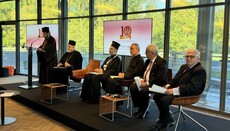
The opening ceremony was attended by Lviv Mayor Andriy Sadovyi, representatives of the regional administration, members of parliament, and the mayor of the German city of Freiburg. As the UOJ previously reported, Sadovyi personally opened the event and thanked Metropolitan Filaret for his "significant contribution to the Lviv community."