Yurash: Communities not renamed into ROCU will be limited in their rights
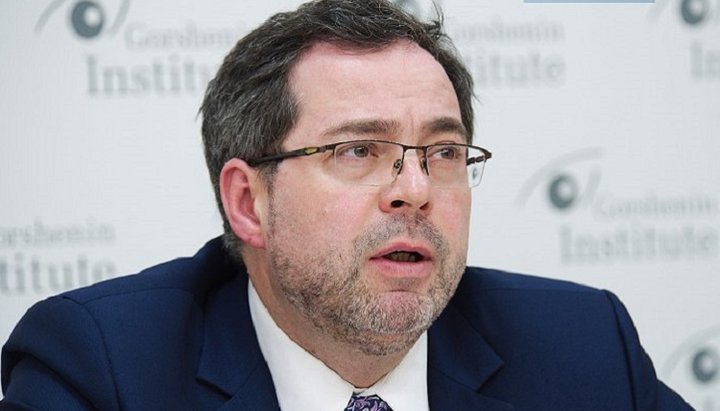
Andrei Yurash. Photo: LB.ua
Since October 26, 2019, the statutes of religious communities of the Ukrainian Orthodox Church have ceased to be in force in terms of determining the names of religious organizations, said the former head of the Department for Religions of the Ministry of Culture Andrei Yurash in an interview with LB.ua.
“According to the rule of law, all the communities of the UOC of the Moscow Patriarchate were obliged to make changes to their statutes by October 26,” he explained. “It was not about changing the statute. It was only necessary to change the name in it. And since no one has done this, since October 26, according to Ukrainian law, these statutes have lost their force in terms of determining the names of the respective religious organizations.”
According to him, the religious communities of the UOC which did not make the necessary changes to their statutes within the deadlines established by law do not lose the status of a legal entity but are deprived of the opportunity to perform any legal actions. For example, they will not be able to change their manager or register property.
“Since January 17 this year, with the adoption of the relevant law, all registration powers have been transferred from the regular registration services of the Ministry of Justice to the relevant Department for Religions and Nationalities at the central level or regional administrations – at the regional level, that is to those divisions of regional administrations that deal with these issues,” stressed the official. “This is done so that people who understand that they register are engaged in registration.”
According to Yurash, if it used to be that “you come to any city from any geographical point of Ukraine, show papers, and it’s done,” now there will be a comprehensive liability of state institutions “for what they accept, for what they do, how they register, how they enter into the Unified State Register”.
“And when a religious community wants to perform some kind of registration action, for example, change the address, this can only be done on the basis of the statute of this organization. And since the provisions of the law have not been fulfilled, and the statutes regarding the definition of names of religious organizations have lost force, this cannot be done,” he added.
As reported earlier, the ex-head of the Department for Religions and Nationalities of the Ministry of Culture Andrei Yurash, who claims to be the head of the State Service for Ethnic Policy and Freedom of Conscience, is absolutely convinced that the OCU is the largest religious community in Ukraine.
Read also
Met. Meletiy consecrates house of worship for UOC community in Dankivtsi
Members of the persecuted UOC Intercession parish in Dankivtsi have converted a house into a place for communal prayer and worship services.
OCU eparchy sells church center site to developer for housing
The OCU’s Volyn Eparchy sold land intended for a spiritual center to a private developer planning to build townhouses and residential buildings.
SBU names UOC priest’s wife a suspect in Cherkasy region
The SBU accused Matushka Kateryna Prykotenko of “spreading enemy propaganda” through correspondence with parishioners.
UGCC cleric calls Russian Orthodox literature dangerous for clergy
While examining the causes of divisions within the UGCC, Yustyn Boiko concluded that Russian Orthodox literature had influenced Greek Catholic clergy.
UOC will play major role in achieving peace, says Vadym Novynskyi
UOC Protodeacon Vadym Novynskyi believes the Church will help bring about reconciliation within Ukrainian society after the war ends.
Catholic media outraged by forcible conscription of Uniate cleric
The Vatican’s Apostolic Nunciature has demanded the return of a forcibly mobilized Greek Catholic cleric.