Elon Musk’s Neuralink registers 'Telepathy' and 'Telekinesis' trademarks
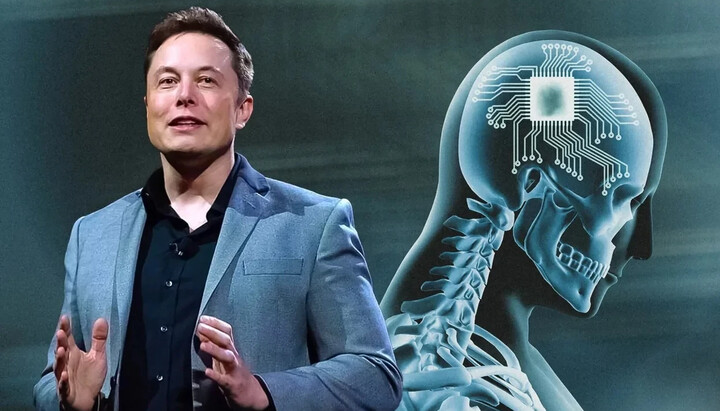
Elon Musk claims that with Neuralink, people will be able to communicate using thoughts. Photo: Armenpress
Neuralink, the company founded by Musk, has filed trademark applications for 'Telepathy' and 'Telekinesis' with the United States Patent and Trademark Office, according to Forbes. The applications, submitted on March 3, 2025, reveal the company’s ambitious plans to develop technologies that once seemed possible only in science fiction.
While Musk previously stated that “Telepathy” would be Neuralink’s first product aimed at helping people with paralysis control computers using their thoughts, the language in the trademark application suggests broader ambitions, including the potential for telepathic communication between individuals implanted with Neuralink devices.
As early as 2020, Musk envisioned a future where people could exchange ideas without words:
“Communication could reach a new level when we’re able to transmit full concepts – uncompressed thoughts – to someone else. I believe it will be possible to store and replay memories. In general, if you have a brain interface, you could upload memories, back them up, and restore them when needed. Potentially, you could upload them into a new body or into a robot.”
In August 2024, during an appearance on Lex Fridman’s podcast, Musk once again said that high-speed thought exchange would become possible for those with Neuralink implants.
The trademark 'Telekinesis' envisions the development of technology that would allow users to control physical objects using the power of thought. Initial applications may focus on assisting people with physical disabilities, but the potential extends to broader areas where brain-controlled interfaces could revolutionize human–machine interaction.
In 2024, Neuralink also received 'Breakthrough Device' designation from the FDA for another version of its implant, called Blindsight, aimed at restoring limited vision in blind individuals.
Human clinical trials for Neuralink’s technology began in January 2024. So far, three participants have received the experimental implant as part of an early feasibility study. Transitioning from these experimental devices to commercially available products capable of enabling telepathy or telekinesis will likely require several more years of clinical trials and regulatory approvals.
Earlier, the UOJ produced a video segment titled 'The New Humanity' featuring Musk’s chip and what Christians should expect from it.
Read also
Upper Lavra court hearing postponed
The next court hearing in the Upper Lavra case has been scheduled for November 3.
UOC priest blesses ambulances at Kamianske medical center
A UOC priest in Kamianske blessed ambulances for a medical facility and wished its doctors God's help in their work.
Dumenko to German ambassador: Law targeting UOC also applies to other groups
Epifaniy Dumenko sought to defend Ukraine’s law restricting religious organizations during a meeting with the German ambassador.
Activists bused to court hearings in UOC cases, media say
A minibus has been spotted transporting protesters to and from courthouses where UOC cases are being heard.
Firefighters save historic UOC church from fire in Zakarpattia
A fire broke out at a UOC church in the Tiachiv district, damaging the altar and church furnishings.
Volyn Eparchy faithful collect six tons of aid for Sviatohirsk Lavra
Believers in Volyn collected food and warm clothing for people displaced by the war who have found shelter at Sviatohirsk Lavra.